

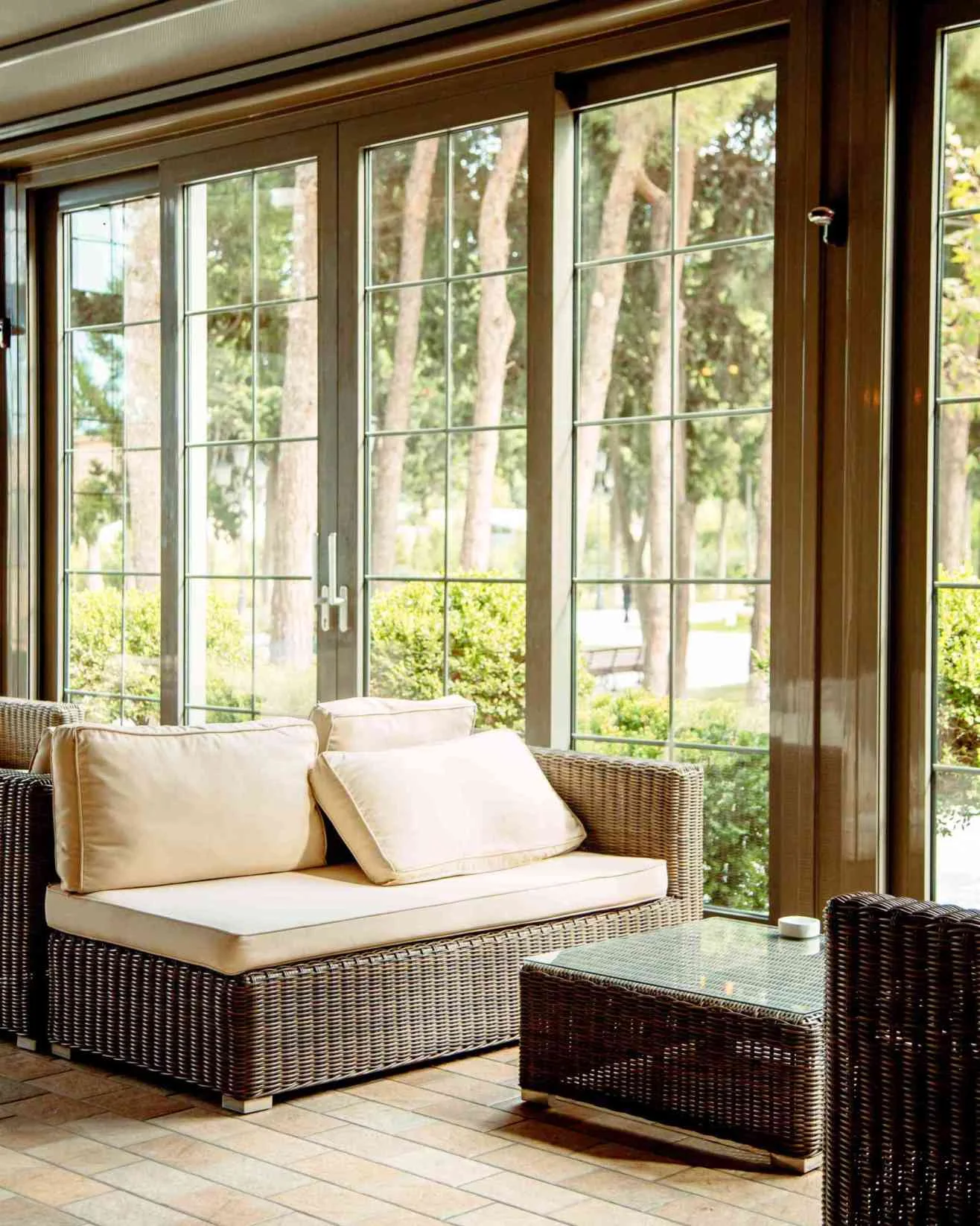

When planning a new home, windows and doors are usually chosen based on size, appearance, ventilation and the overall design of the building. But for many Indian homeowners, there is another consideration: Vastu.
The placement and direction of doors and windows are traditionally considered important in Vastu Shastra. While these principles come from traditional architectural beliefs rather than modern building science, many homeowners still like to incorporate them into their planning.
The good news is that you don’t necessarily have to choose between Vastu and practical window design. With careful planning, you can consider traditional preferences while also thinking about natural light, ventilation, privacy, weather and everyday comfort.
How Do Windows and Doors Vastu Affect?
In traditional Vastu, doors and windows are often viewed as important openings through which energy, light and air enter a home.
Their direction, position, size and arrangement are therefore given attention during planning.
From a practical perspective, these same decisions affect how much daylight enters a room, how well the space is ventilated and how connected it feels to the outdoors.
That makes window and door planning important even if Vastu isn’t part of your decision-making process.
Best Direction for Windows According to Vastu
Traditional Vastu guidelines commonly give importance to the different directions of a home.
North-Facing Windows
North-facing openings are traditionally considered favourable in Vastu.
From a design perspective, they can also provide useful daylight without the same level of direct afternoon solar exposure that some west-facing openings receive.
East-Facing Windows
East-facing windows are often preferred because they can bring morning sunlight into the home.
For bedrooms, living rooms and other regularly occupied spaces, morning light can create a pleasant start to the day.
South-Facing Windows
South-facing openings need to be considered carefully based on the home’s location, shading and orientation.
Rather than avoiding them completely, architects can use suitable glazing, shading devices and window sizes to manage solar exposure.
West-Facing Windows
West-facing windows can receive strong afternoon sunlight.
If your home has large west-facing windows, consider solar-control glazing, external shading, blinds or appropriate overhangs alongside any Vastu preference.
This is a good example of where traditional planning and modern building design can work together.
Vastu Tips for Main Doors
The main entrance is traditionally given particular importance in Vastu.
Homeowners often consider the entrance direction, placement and proportions before finalising the design.
But the entrance also needs to work practically.
A good main door should provide:
- Comfortable access
- Adequate width
- Security
- Weather protection
- Good lighting
- Easy operation
- A design that suits the home’s architecture
The door material and finish can then be selected to complement the overall elevation.
Should Windows Be Larger Than Doors?
There are traditional Vastu recommendations around the relative size and number of doors and windows.
However, there isn’t a single size that works for every house.
A large living room with a garden view may benefit from large sliding doors and windows, while a bathroom or bedroom may require a smaller opening for privacy.
The practical goal should be to balance:
- Natural light
- Ventilation
- Privacy
- Furniture placement
- Heat gain
- Security
- Architectural proportions
This approach allows Vastu preferences to be considered without compromising how the home actually functions.
Windows and Doors Vastu for Natural Light
Natural light is one of the most useful things you can plan into a home.
Vastu traditionally places importance on light entering the home, and modern architecture also recognises the value of daylight for creating brighter and more comfortable interiors.
Large windows, sliding doors, bay windows and carefully positioned openings can all help bring more daylight indoors.
However, bigger isn’t always better.
A very large window facing strong afternoon sun can increase heat gain, so the glass and shading should be selected accordingly.
Windows and Doors Vastu for Ventilation
Good ventilation is important for everyday comfort.
Traditional Vastu principles often emphasise the movement of air through the home. From a practical design perspective, creating openings on suitable sides of a room can help encourage natural airflow.
Casement and tilt-and-turn windows can be particularly useful when controlled ventilation is important.
Sliding windows and doors can also provide good ventilation while offering convenient operation.
Your existing uPVC Casement vs Sliding Windows article would make a natural internal link here.

Vastu and the Placement of Windows in Different Rooms
Living Room Windows
Living rooms generally benefit from larger windows because they are spaces where natural light and outdoor views are important.
The exact size and direction should be based on the home’s orientation, surrounding buildings and desired privacy.
Bedroom Windows
Bedrooms need a balance between ventilation, daylight and privacy.
A well-positioned window can provide fresh air during the day while curtains, blinds or suitable glass can provide privacy when required.
Kitchen Windows
Kitchen windows can help with ventilation, daylight and removal of cooking odours.
An openable window positioned appropriately can be particularly useful in this space.
Bathroom Windows
Bathrooms typically require privacy, so a smaller opening, higher-level window or privacy glass may be more suitable.
Here, practical requirements should take priority alongside any traditional Vastu preference.
Can Modern Aluminium and uPVC Windows Follow Vastu Principles?
Yes.
Vastu is primarily concerned with aspects such as direction, placement, openings and spatial planning. The choice between aluminium and uPVC is a separate design and performance decision.
Modern aluminium and uPVC systems can be customised in different sizes, configurations and finishes, making it possible to incorporate traditional planning preferences into contemporary homes.
For example, a homeowner can consider the preferred direction for an opening while selecting:
- uPVC casement windows
- uPVC sliding windows
- Tilt & turn windows
- Aluminium windows
- Sliding doors
- Bi-fold doors
- Bay windows
The final choice should depend on the opening, architectural style and performance requirements.
Windows and Doors Vastu vs Practical Window Planning
This is where it helps to take a balanced approach.
| Vastu Consideration | Practical Design Consideration |
|---|---|
| Direction of openings | Sun path and solar exposure |
| Door placement | Access and circulation |
| Window position | Views and privacy |
| Size of openings | Daylight and ventilation |
| Number of openings | Airflow and wall design |
| Main entrance | Security and usability |
| Natural light | Glazing and heat control |
You don’t necessarily need to treat these as opposing ideas.
A good design can consider both.
Why Arched Windows Are So Popular in Modern Homes
Read this blog
Vastu Tips for Windows in Pune Homes
Pune’s climate makes practical window planning particularly important.
Strong sunlight, summer heat, dust and monsoon rain can all influence how a window performs.
If you’re following windows and doors Vastu principles while designing a home in Pune, also consider:
- Direction of the opening
- Morning and afternoon sunlight
- Rain exposure
- Natural ventilation
- External shading
- Glass specification
- Frame material
- Drainage
- Privacy
- Installation quality
For example, a large west-facing window may fit your architectural plan but require solar-control glass or shading to reduce afternoon heat.
During the monsoon, proper sealing and drainage become equally important. Haimish’s existing article on uPVC windows and Pune’s monsoon can be linked naturally here.
Should You Follow Vastu When Choosing Windows and Doors?
That decision is ultimately personal.
Some homeowners follow Vastu closely, while others use it as one of several considerations during the design process.
If Vastu is important to you, it can be discussed early with your architect or designer rather than being added after the window openings have already been finalised.
This gives you more flexibility to balance traditional preferences with practical requirements.
Common Windows and Doors Vastu Mistakes
Focusing Only on Direction
Direction is important in traditional Vastu, but the window still needs to work with the building’s sunlight, ventilation and surrounding environment.
Making Every Window Oversized
Large windows can look beautiful, but they aren’t appropriate for every room.
Ignoring Heat Gain
A large glass opening can increase solar heat gain if the glass and shading aren’t selected appropriately.
Forgetting Privacy
A window may be positioned according to traditional preferences but still face a neighbouring building or road.
Choosing Windows After Construction Has Started
Window planning works best when considered during the architectural design stage.
Frequently Asked Questions About Windows and Doors Vastu
Which direction is best for windows according to Vastu?
East and north are commonly considered favourable directions in traditional Vastu. However, the ideal placement should also consider the home’s orientation, sunlight, ventilation and surrounding buildings.
Which direction is considered best for the main door?
Traditional Vastu gives importance to the direction and placement of the main entrance, but recommendations can vary depending on the home’s layout and Vastu school being followed.
Should windows be larger than doors according to Vastu?
Some traditional guidelines recommend particular relationships between openings, but there isn’t one universal size that suits every home. Window size should also account for ventilation, daylight, privacy and architectural design.
Can aluminium windows be used in a Vastu-compliant home?
Yes. Aluminium windows can be used in homes where Vastu principles are being followed. The direction and placement of the opening are separate from the frame material.
Can uPVC windows be used according to Vastu?
Yes. uPVC windows can be incorporated into a home planned according to Vastu principles.
Does Vastu apply to interior windows?
Vastu considerations can also be applied to internal openings depending on the approach being followed, although exterior windows and main entrances usually receive more attention.
Is Vastu scientifically proven?
Vastu Shastra is a traditional architectural system rather than a scientifically established method for predicting health, wealth or other outcomes. Homeowners can choose to follow its principles as a cultural or personal preference while using modern building principles for measurable factors such as daylight, ventilation and thermal performance.

