

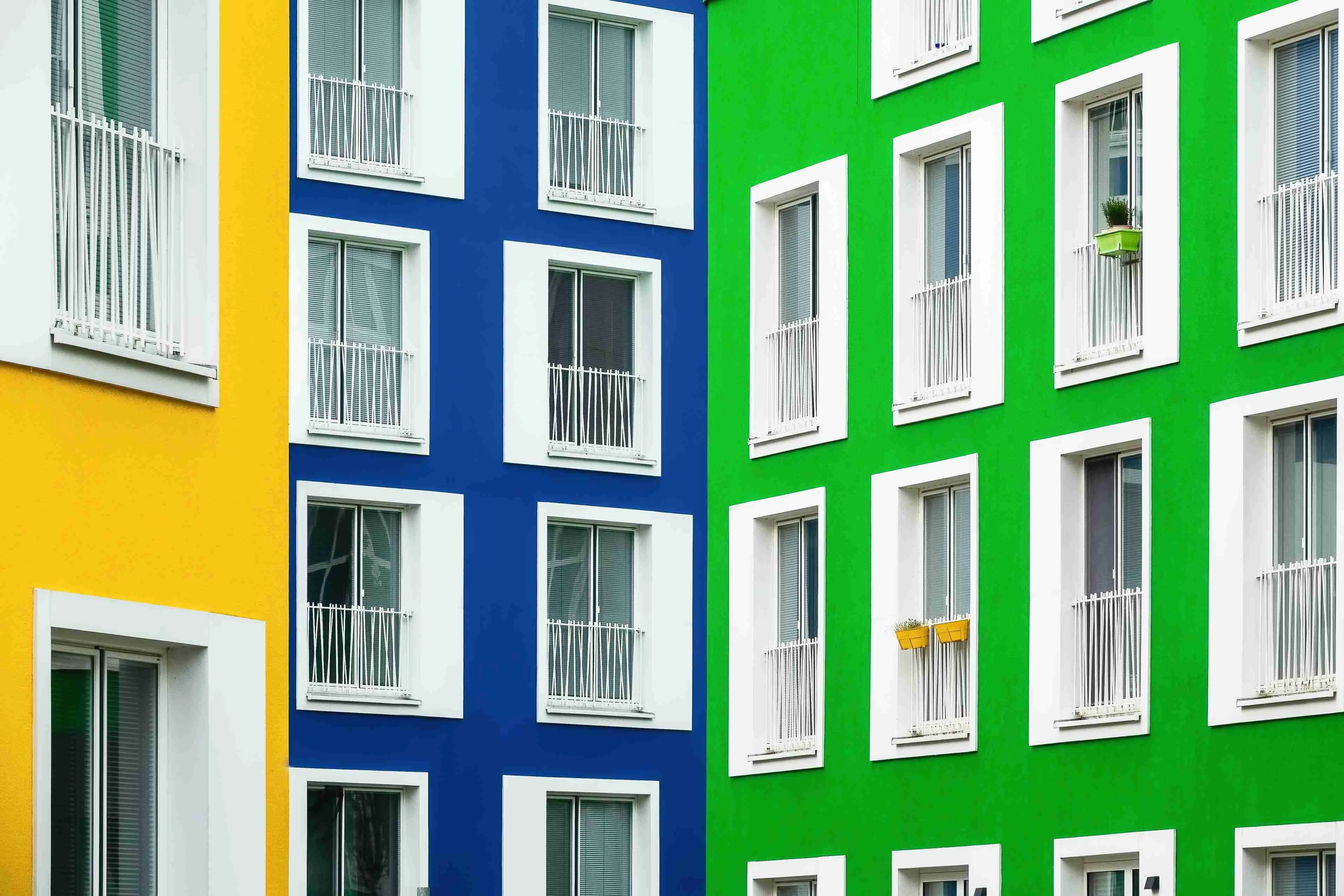

Choosing uPVC window colours used to be fairly simple because white was almost always the default. Today, homeowners have far more options, from modern grey and black to realistic wood-effect finishes. With the right foil finish, you can match your windows with the exterior elevation, interior design and overall character of your home without giving up the practical benefits of uPVC.
What Are uPVC Window Colours?
uPVC window colours are created using decorative finishes, commonly through a process called foil lamination. A coloured or textured film is bonded to the uPVC profile using heat and pressure, giving the frame its finished appearance.
This means you aren’t limited to the traditional white uPVC window anymore. Depending on the system and finish available, you can choose from solid colours, darker shades and wood-effect finishes.
Popular uPVC Window Colours for Modern Homes
The best colour depends on your home’s architecture, wall colour, flooring and overall design. Some finishes, however, have become particularly popular for contemporary homes.
White uPVC Windows
White remains a popular choice because it is simple, versatile and easy to coordinate with different interiors and exterior walls. It works particularly well when you want the windows to blend into the overall design.
Grey uPVC Windows
Grey has become a popular alternative to white for modern homes. From lighter grey to charcoal, these shades can give the elevation a more contemporary appearance while working well with neutral wall colours.
Black uPVC Windows
Black frames create stronger contrast and can give large glass openings a bold architectural appearance. They work particularly well with modern, minimalist and glass-heavy designs.
Wood-Effect uPVC Windows
Wood-effect finishes are useful when you like the warmth and appearance of timber but prefer the practical maintenance requirements of uPVC. Oak and walnut-style finishes can work particularly well with traditional, transitional and contemporary architecture.
How to Choose the Right uPVC Window Colours
Choosing a colour from a small sample card can be surprisingly difficult. A finish that looks perfect indoors may look completely different when it is installed across a large window and exposed to natural light.
Before finalising your uPVC window colours, consider:
- Exterior wall colour
- Interior wall and flooring colours
- Amount of natural light
- Size of the window
- Architectural style
- Surrounding doors and balconies
- Maintenance requirements
- The appearance of the finish in direct sunlight
Whenever possible, look at a larger sample in natural light before making the final decision.
Can You Have Different Colours Inside and Outside?
Yes. Dual-colour uPVC windows allow the exterior and interior sides of the profile to have different finishes.
This can be particularly useful when the exterior of your home has a darker or more contemporary colour scheme while the interior uses lighter walls and furniture.
For example, you could choose a charcoal or wood-effect finish externally while keeping the interior white or a lighter shade.

Do uPVC Window Coloured Perform Differently From White?
The colour itself does not determine the basic performance of the uPVC profile. A properly manufactured and laminated coloured profile can provide the same core benefits as a white profile.
What matters more is the quality of the profile, reinforcement, hardware, glazing, sealing and installation.
The quality of the foil finish, however, does matter for long-term appearance. A good UV-stabilised laminate is important, particularly for windows exposed to strong sunlight.
Will Dark uPVC Window Colours Fade in Pune?
Dark colours can receive significant exposure to Pune’s strong sunlight, but fading is not simply a matter of choosing black or grey.
The quality and UV stability of the foil finish are important factors. A poor-quality laminate may fade unevenly, particularly on elevations that receive more direct sunlight.
If you’re choosing a dark finish, ask the supplier about the foil quality, manufacturer and UV resistance rather than selecting purely on colour.
Are Wood-Effect uPVC Windows Worth Considering?
Wood-effect uPVC windows can be a good option if you like the appearance of timber but don’t want the maintenance associated with natural wood.
Modern decorative foils can reproduce wood grain and colour patterns convincingly, making them suitable for homes where you want a warmer and more traditional appearance.
They can work particularly well with stone, wooden doors, earthy wall colours and classic architectural designs.
How Much Do Coloured uPVC Windows Cost?
Coloured uPVC windows generally cost more than standard white profiles because the additional lamination process and quality decorative films add to the manufacturing cost.
The exact difference depends on:
- Colour
- Foil brand
- Wood-effect or plain finish
- Single-sided or dual-colour lamination
- Window size
- Profile system
- Glass specification
- Hardware
Rather than assuming that every coloured window costs the same, ask for a project-specific quotation.
How to Maintain Coloured uPVC Windows
Coloured uPVC windows are relatively easy to maintain. Regular cleaning with mild soap and water is normally sufficient to remove everyday dust and dirt.
Dark finishes can make dust and water marks more visible, especially in areas exposed to direct sunlight.
Avoid abrasive cleaners, strong solvents and harsh scrubbing because these can affect the appearance of the foil surface.
A simple routine of gentle cleaning and periodic inspection can help keep the frames looking good for years.
Aluminium Windows for High-Rise Buildings: Fire Safety & Wind Load
Read this blog
Which uPVC Window Colour Is Best for Your Home?
There isn’t one colour that works for every home.
White is a safe choice when you want a clean and versatile appearance.
Grey works well with contemporary architecture and neutral exteriors.
Black creates contrast and suits modern, minimalist designs.
Wood-effect finishes add warmth and can complement more traditional architecture.
Dual-colour options are useful when your interior and exterior designs require different finishes.
The best choice is the one that works with the complete building rather than the window alone.
uPVC Window Colours for Homes in Pune
Pune’s combination of strong sunlight, dust and seasonal monsoon conditions makes it worth considering both appearance and long-term maintenance when selecting a window finish.
Instead of choosing a colour only from a catalogue, view the finish in natural light and consider how it will look against your actual exterior wall colour.
This is particularly important for darker and wood-effect finishes.
Frequently Asked Questions About uPVC Window Colours
What is the most popular uPVC window colour?
White remains a popular choice, while grey, black and wood-effect finishes are increasingly used in modern residential projects.
H3: Are coloured uPVC windows more expensive than white windows?
Yes, coloured and laminated uPVC windows generally cost more than standard white profiles because of the additional finishing process.
H3: Can I choose different colours for the inside and outside?
Yes, dual-colour uPVC profiles can provide different finishes on the interior and exterior sides.
Do black uPVC windows fade?
The durability of the colour depends heavily on the quality and UV stability of the foil finish. Ask about the laminate specification before choosing a dark colour.
Are wood-effect uPVC windows better than real wood?
They offer a different balance of appearance and maintenance. Wood-effect uPVC can provide a timber-like appearance while requiring less routine maintenance than natural wood.
How do I clean coloured uPVC windows?
Use mild soap and water with a soft cloth. Avoid abrasive or solvent-based cleaning products that could damage the finish.

