

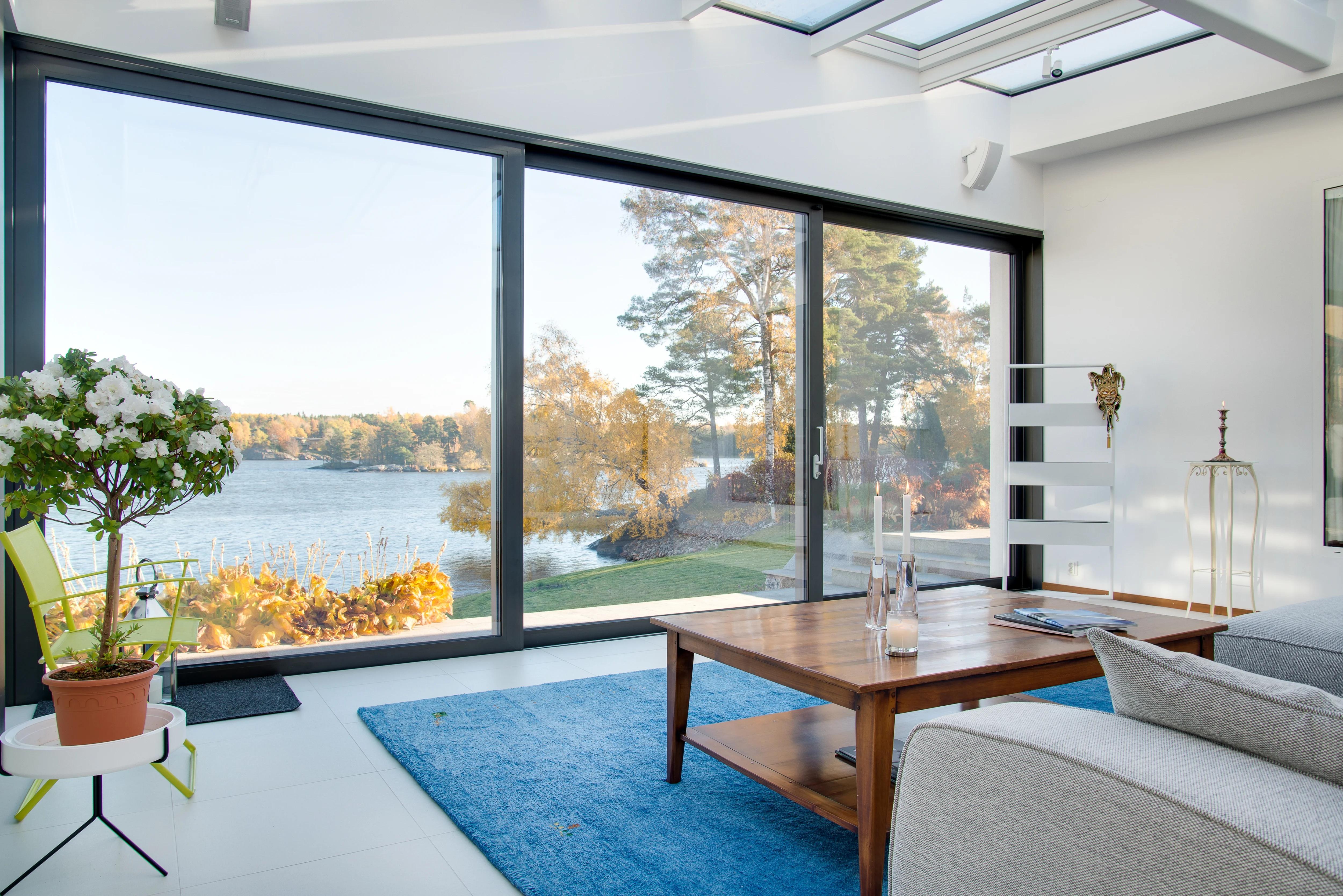

When you are building or renovating a home, windows and doors are not something you choose only for their appearance. They influence natural light, ventilation, security, comfort and even the overall character of the building.
This is where aluminum doors and windows have become a popular choice for modern homes and commercial spaces. Aluminium combines strength with relatively slim profiles, allowing architects and homeowners to create larger glass openings without making the frames look bulky.
But choosing aluminium is only the beginning. The profile system, glass, hardware, finish and installation all have an impact on how the final product performs.
Let’s look at what makes aluminium doors and windows useful, where they work best and what you should consider before choosing them.
What Are Aluminium Doors and Windows?
Aluminum doors and windows are systems made using aluminium profiles as the frame, combined with glass, hardware, seals and other components.
One of aluminium’s biggest advantages is its strength-to-weight ratio. It can support large glass panels while allowing manufacturers to create relatively slim frame profiles.
This makes aluminium suitable for everything from everyday residential windows to large sliding doors and commercial glazing applications.
Haimish currently offers aluminium and uPVC systems including casement windows, sliding windows, tilt & turn windows, bay windows, bi-fold door systems and tilt & slide systems.
Why Choose Aluminium Doors and Windows?
There isn’t one reason aluminium has become so popular. It is the combination of strength, appearance, flexibility and relatively low maintenance that makes it attractive.
Strong and Durable
Aluminium provides good structural strength while remaining relatively lightweight.
This is particularly useful for larger windows and doors where the frame needs to support bigger areas of glass.
Slimmer Frame Profiles
Modern aluminium systems can provide slim sightlines, allowing more glass and less visible framing.
The result can be a brighter interior with a cleaner, more contemporary appearance.
Low Maintenance
Aluminium doesn’t require the regular painting, polishing or treatment associated with many timber frames.
Regular cleaning and occasional hardware checks are generally enough for routine maintenance.
Good Moisture Resistance
Aluminium doesn’t absorb water like timber, so it doesn’t swell or warp because of moisture.
The surface finish and installation still matter, particularly in areas exposed to rain and humidity.
Flexible Design Options
Aluminium systems are available in different colours, finishes, configurations and profile styles.
This makes them suitable for both minimalist modern homes and more detailed architectural designs.
Suitable for Large Glass Openings
Large windows and doors are increasingly popular in contemporary architecture.
Aluminium is well suited to these applications because its structural properties allow larger glazed areas without necessarily requiring thick frames.
Features to Look for in Aluminium Doors and Windows
The phrase “aluminium window” doesn’t describe one single product.
Two aluminium windows can look similar but have very different specifications.
Before buying, look at:
- Aluminium profile quality
- Profile thickness and system design
- Glass specification
- Hardware quality
- Weather seals
- Drainage design
- Surface finish
- Thermal-break technology where required
- Manufacturing quality
- Installation method
The complete system matters more than the material name alone.
Types of Aluminium Windows
Different window configurations solve different design and ventilation requirements.
Aluminum Casement Windows
Casement windows are hinged and open outward or inward depending on the system.
They can provide a generous opening for ventilation and work well in bedrooms, living rooms, kitchens and other areas where airflow is important.
Aluminium Sliding Windows
Sliding windows move horizontally along a track.
They don’t require the additional swing space needed by hinged windows, making them practical for apartments, bedrooms, balconies and compact spaces.
Aluminium Tilt & Turn Windows
Tilt & turn windows provide two operating options.
The window can tilt for controlled ventilation or turn for a larger opening.
This makes them useful when you want flexibility in both ventilation and everyday operation.
Fixed Aluminium Windows
Fixed windows don’t open. Their purpose is primarily to provide natural light and views.
They can be combined with opening windows to create larger glazed compositions.
Aluminium Bay Windows
Bay windows project outward from the building and can add depth and character to a room.
They can also create a larger visual connection with the outdoors.

Types of Aluminum Doors
Aluminium Sliding Doors
Sliding doors are a popular choice for balconies, patios and larger openings.
The panels move horizontally, so you don’t need to keep additional floor space clear for a swinging door.
Aluminium Bi-Fold Doors
Bi-fold doors consist of several panels that fold and stack to the side.
When opened, they can create a much wider connection between indoor and outdoor spaces.
They can work particularly well for:
- Living rooms
- Balconies
- Terraces
- Gardens
- Villas
- Restaurants
- Hospitality spaces
Aluminium Tilt & Slide Doors
Tilt & slide systems combine ventilation with sliding operation.
They can be useful where you want controlled ventilation but also need the ability to create a wider opening when required.
Applications of Aluminium Doors and Windows
The versatility of aluminium is one of its biggest advantages.
Aluminium Doors and Windows for Homes
In residential projects, aluminium windows and doors can be used throughout the house.
Common applications include:
- Living rooms
- Bedrooms
- Kitchens
- Balconies
- Terraces
- Staircases
- Home offices
- Entrance areas
Large windows can bring more daylight into living spaces, while sliding and bi-fold doors can help connect interiors with balconies, gardens and terraces.
Aluminium Doors and Windows for Apartments
Apartments often have limited floor space.
Sliding windows and doors can therefore be useful because they don’t require the same opening clearance as hinged systems.
Aluminium Doors and Windows for Villas
Villas often have larger openings and more opportunities for indoor-outdoor design.
Large sliding doors, bi-fold doors and floor-to-ceiling windows can create open, light-filled interiors.
Aluminium Doors and Windows for Offices
Commercial offices need systems that can handle regular use while maintaining a professional appearance.
Aluminium can be used for external windows, entrances and various glazed applications.
Aluminium Doors and Windows for High-Rise Buildings
Aluminium is also used in high-rise applications because of its strength and relatively low weight.
However, high-rise installations require careful consideration of wind loads, glass selection, drainage, sealing and the overall performance of the window system.
Haimish already has a dedicated article on Aluminium Windows for High-Rise Buildings, so this section should link to that article.
Aluminum Doors and Windows for Commercial Spaces
Showrooms, restaurants, hotels and retail spaces often benefit from large glazed openings.
Aluminium allows these spaces to combine extensive glass areas with a clean architectural appearance.
Are Aluminium Doors and Windows Suitable for Pune?
Yes, but the specification matters.
Pune experiences hot summers and heavy monsoon rainfall, so windows and doors need to handle both heat and water exposure.
For Pune projects, pay particular attention to:
- Glass selection
- Weather sealing
- Drainage
- Surface finish
- Hardware
- Thermal performance
- Installation quality
A good aluminium system should be selected according to the building’s orientation and exposure rather than simply choosing the cheapest available profile.
Haimish’s existing summer-performance article also explains why thermal breaks and appropriate glazing matter when aluminium systems are exposed to high temperatures.
Window and Door Retractors: Types, Benefits & Buying Guide
Read this blog
Are Aluminium Windows Energy Efficient?
This is where it’s important not to make an overly broad claim.
Aluminium itself conducts heat efficiently, so the performance of an aluminium window depends heavily on the system design.
Modern thermal-break aluminium windows use an insulating barrier between sections of the frame to reduce heat transfer.
The glass is equally important.
Depending on the project, options such as:
- Double glazing
- Low-E glass
- Solar-control glass
- Laminated glass
can be considered.
For homes in Pune with large west-facing windows, for example, solar heat gain should be considered when choosing the glazing specification.
Aluminium Doors and Windows for Natural Light
One of the biggest design advantages of aluminium is the possibility of creating large glazed openings with relatively slim frames.
This can help:
- Bring more daylight indoors
- Improve views
- Create cleaner sightlines
- Make rooms feel more spacious
- Strengthen indoor-outdoor connections
However, increasing glass area should always be balanced with heat gain and glare.
More glass isn’t automatically better. The glass specification and orientation matter.
Aluminium Doors and Windows for Better Ventilation
Window configuration has a direct effect on ventilation.
Casement windows can provide a wide opening for airflow, while sliding windows offer controlled ventilation without requiring swing space.
Tilt & turn systems provide another option by allowing a smaller opening for everyday ventilation and a larger opening when required.
Good ventilation design should consider the position of openings throughout the building rather than looking at each window individually.
Glass Options for Aluminium Doors and Windows
The frame is only part of a window or door.
Glass can have a major impact on safety, thermal comfort, acoustic performance and solar control.
Toughened Glass
Toughened glass is stronger than standard annealed glass and is commonly considered where improved safety is required.
Laminated Glass
Laminated glass contains an interlayer between glass panes. If the glass breaks, the interlayer helps hold the pieces together.
It can also offer acoustic and security benefits depending on the specification.
Double-Glazed Glass
Double glazing uses two glass panes separated by a sealed cavity.
When correctly specified, it can improve thermal and acoustic performance compared with single glazing.
For topical SEO, link this section to Haimish’s existing articles on Toughened Glass vs Laminated Glass, Single vs Double vs Triple Glazing and Double-Glazed Windows.
Aluminium Doors and Windows: Colours and Finishes
Aluminium gives homeowners and architects considerable flexibility when selecting finishes.
Options can include:
- Matte finishes
- Metallic finishes
- Powder-coated finishes
- Anodised finishes
- Dark colours
- Neutral colours
- Wood-look finishes
The finish affects more than appearance. It also contributes to the surface’s resistance to environmental exposure.
Your existing Aluminum Door and Window Colors article should be linked from this section.
How Much Do Aluminium Doors and Windows Cost?
There is no single price for aluminium doors and windows.
The cost depends on the complete specification.
Factors include:
- Opening size
- Aluminium profile system
- Number of panels
- Window or door configuration
- Glass type
- Glass thickness
- Hardware
- Finish
- Thermal-break requirements
- Installation complexity
A basic sliding window and a large thermal-break bi-fold door are completely different products, so comparing them only by price per square foot can be misleading.
When requesting quotations, compare the complete specifications, not just the final price.
Aluminium Doors and Windows vs uPVC
Both materials have their place.
| Feature | Aluminium | uPVC |
|---|---|---|
| Strength | High | Good |
| Frame profile | Can be slim | Generally thicker |
| Large openings | Well suited | Depends on system |
| Maintenance | Low | Low |
| Thermal performance | Depends on system | Naturally good |
| Design flexibility | High | High |
| Large glass areas | Excellent | Depends on system |
Aluminium may be the better fit when slim profiles, large glass areas and contemporary design are priorities.
uPVC may be attractive when thermal insulation, low maintenance and budget are higher priorities.
There isn’t a universal winner.
The right material depends on the building and the specific opening.
Haimish already has a dedicated uPVC vs Aluminium Windows comparison article, which should be linked here to build topical authority.
How to Maintain Aluminium Doors and Windows
One reason aluminium is popular is its relatively simple maintenance routine.
For everyday care:
- Remove dust and loose dirt.
- Clean the frame with water and mild detergent.
- Wipe with a soft cloth.
- Keep tracks and drainage channels free from debris.
- Check handles, rollers and hinges periodically.
- Inspect seals for visible damage.
Avoid abrasive cleaners that could damage the finish.
If a sliding door starts becoming difficult to operate, don’t force it. The tracks, rollers or alignment may need attention.
What to Check Before Buying Aluminium Doors and Windows
Check the Profile System
Don’t simply ask whether the product is aluminium.
Ask which aluminium system and profile specification are being used.
Ask About the Glass
Find out whether the quotation includes single, double, toughened, laminated, Low-E or solar-control glass.
Check the Hardware
Handles, rollers, hinges and locking systems have a major impact on everyday operation.
Ask About the Finish
Understand whether the frames are powder-coated, anodised or supplied with another specified finish.
Consider Thermal Performance
For air-conditioned homes and offices, ask whether a thermal-break system is appropriate.
Don’t Ignore Installation
A high-quality window can still perform poorly if it isn’t installed, aligned, sealed and drained correctly.
Common Mistakes When Choosing Aluminium Doors and Windows
Choosing Only on Price
A cheaper quotation may use different profiles, glass or hardware.
Ignoring the Glass
Glass often represents most of the visible area of a window, so it deserves as much attention as the frame.
Choosing Large Glass Without Considering Heat
Large windows look impressive, but orientation and solar exposure need to be considered.
Overlooking Hardware
Good profiles paired with poor-quality hardware can result in a frustrating everyday experience.
Treating Installation as an Afterthought
Correct installation affects sealing, drainage, alignment and long-term performance.
Frequently Asked Questions About Aluminium Doors and Windows
Are aluminium doors and windows good for homes?
Yes. They can be a good choice for modern homes because they offer strength, slim profiles, low maintenance and design flexibility.
Are aluminium windows better than uPVC?
Not necessarily. Aluminium is often preferred for slim profiles and larger openings, while uPVC can offer strong thermal insulation. The right option depends on the project.
Are aluminium doors and windows suitable for Pune?
Yes. They can perform well in Pune when the aluminium system, glass, finish, drainage, sealing and installation are appropriately specified.
Do aluminium windows rust?
Aluminium does not rust like iron or conventional steel. However, its surface can still be affected by environmental exposure, so the quality of the finish is important.
Are aluminium doors and windows low maintenance?
Yes. They generally require relatively little maintenance compared with timber systems. Regular cleaning and periodic hardware checks are recommended.
Are aluminium doors expensive?
The price varies according to the profile, size, glass, hardware, finish and installation. Larger openings and premium systems generally cost more.
Can aluminium windows use double glazing?
Yes, provided the selected aluminium system is designed to accommodate the required glass thickness.
Are aluminium doors suitable for large openings?
Yes. Aluminium is well suited to many large-opening applications, including sliding and bi-fold systems, subject to the system’s structural and hardware specifications.

