

Discover modern aluminum windows and doors design ideas, styles, and benefits for homes and commercial spaces, combining durability, aesthetics, and energy efficiency.
The design of windows and doors plays a crucial role in defining the comfort, appearance, and functionality of a building. In modern architecture, aluminum windows and doors have gained wide acceptance due to their clean design, structural strength, and long-lasting performance. They are commonly used in residential homes, commercial buildings, and large-scale projects where both aesthetics and durability matter.
This blog explores aluminum windows and doors design in detail, covering material benefits, popular styles, finish options, and design ideas that suit different spaces.
Why Aluminum Is a Preferred Material
Aluminum is valued for its ability to combine strength with a lightweight structure. This makes it ideal for windows and doors that require slim frames without compromising stability. Unlike wood, aluminum does not absorb moisture, which means it will not swell, warp, or crack over time. It also performs better than steel in terms of corrosion resistance when properly coated. These qualities make aluminum suitable for long-term use in different climates and environments.
Another key advantage is design flexibility. Aluminum can be shaped, finished, and customized to match various architectural styles, from modern to transitional designs.
Design Features of Aluminum Windows
Aluminum windows are designed to enhance light, airflow, and visual appeal while maintaining structural reliability.
Slim Frame Profiles
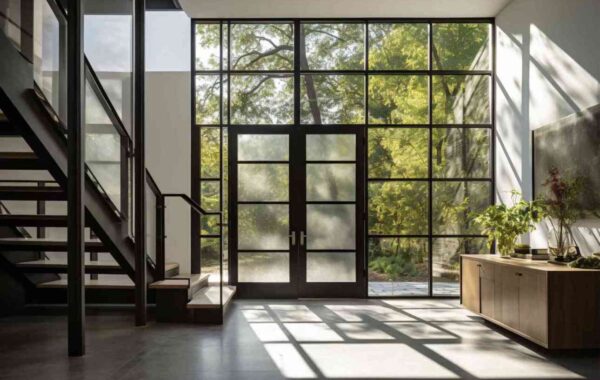
One of the standout features of aluminum windows is their slim frame profile. Because aluminum is naturally strong, frames can be kept narrow while still supporting large glass panels. This allows more natural light to enter interior spaces, making rooms feel brighter and more open. Slim profiles also contribute to a contemporary look that suits modern homes and offices. This design approach helps create a strong connection between indoor and outdoor spaces.
Large Glass Openings
Aluminum frames can safely support wide and tall glass panels, making them ideal for large window openings. These designs are often used in living rooms, offices, and commercial spaces where openness is important. Larger glass areas improve visibility and enhance the overall appearance of a building. They also help reduce the need for artificial lighting during the day.
Popular Styles of Aluminum Windows
Different window styles serve different functional and design needs.
Sliding Aluminum Windows
Sliding aluminum windows are one of the most commonly used options in residential and commercial buildings. They operate smoothly on horizontal tracks and do not require additional space to open. This makes them ideal for compact rooms and apartments. Their simple design ensures easy maintenance and long-term performance. Sliding windows also offer controlled ventilation while maintaining a clean appearance.
Casement Aluminum Windows
Casement windows open outward and allow maximum airflow. They are suitable for areas where ventilation is a priority, such as kitchens and living spaces. Aluminum casement windows provide a tight seal when closed, which helps improve insulation. Their simple operation and strong frame design make them a practical choice for everyday use.
Fixed Aluminum Windows
Fixed aluminum windows are designed to remain closed and are mainly used to bring in natural light. They are often installed in combination with operable windows to balance light and ventilation. Fixed windows enhance exterior aesthetics and are ideal for staircases, hallways, and high walls.
Aluminum Doors Design Overview
Aluminum doors offer durability, security, and modern styling. They are suitable for both interior and exterior applications.
Aluminum Entry Doors
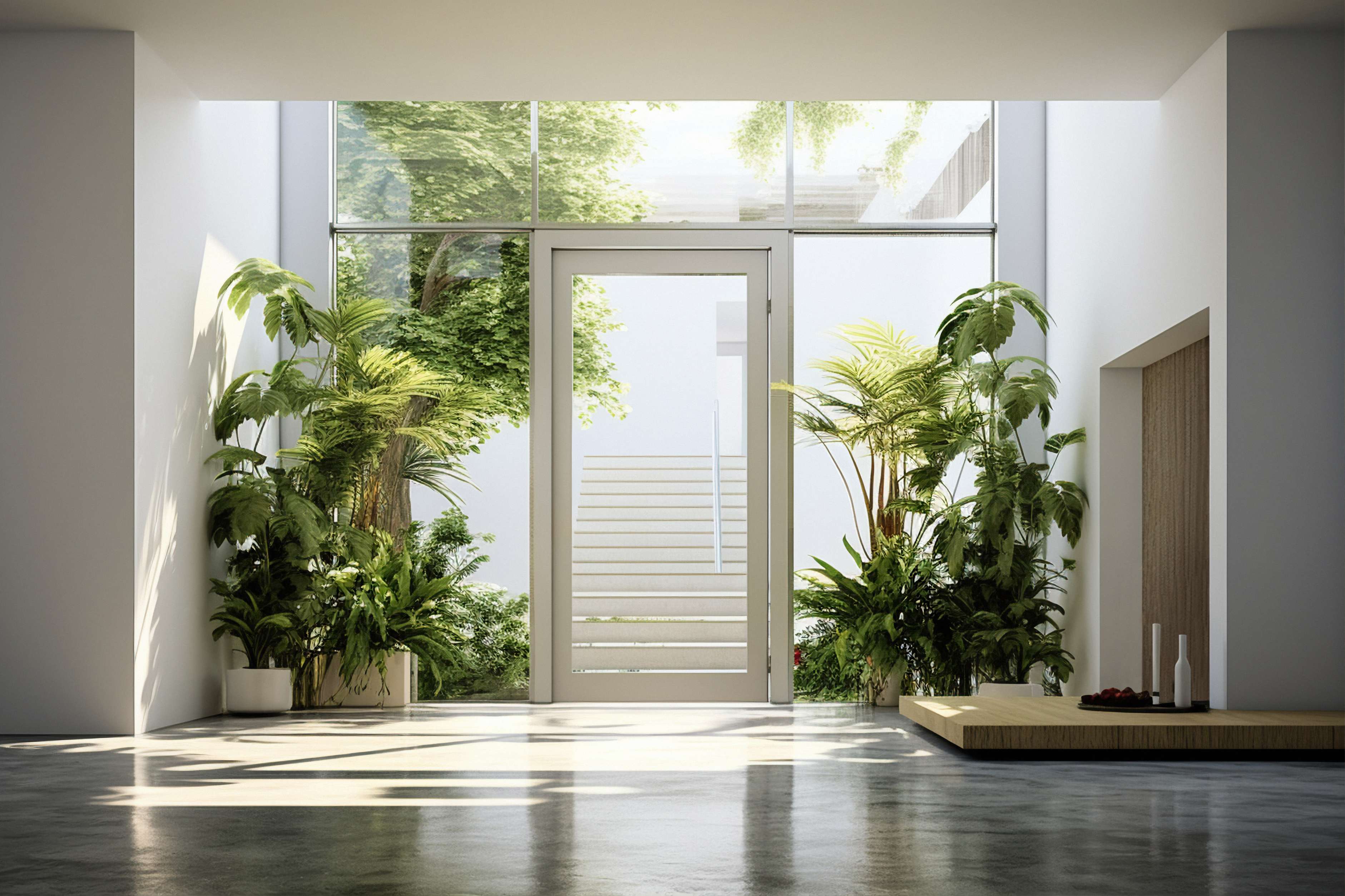
Aluminum entry doors create a strong and secure first impression. They can be designed with solid panels for privacy or glass sections for improved daylight. These doors are resistant to weather conditions and maintain their appearance over time. Their modern design options make them suitable for residential homes as well as commercial entrances.
Sliding Aluminum Doors
Sliding aluminum doors are widely used for balconies, patios, and garden areas. They create a smooth transition between indoor and outdoor spaces. Large glass panels allow natural light to enter while maintaining protection from external elements. Sliding doors are easy to operate and work well in areas where space efficiency is important.
Bi-Fold Aluminum Doors
Bi-fold aluminum doors consist of multiple panels that fold neatly to one side. They are ideal for creating wide openings and flexible layouts. When fully opened, these doors remove visual barriers and improve ventilation. Bi-fold doors are commonly used in modern homes, cafes, and hospitality spaces.
Color and Finish Options
One of the key strengths of aluminum windows and doors design is the variety of finish options available.
Powder-Coated Finishes
Powder coating provides a smooth, durable finish that resists fading, scratches, and corrosion. It is available in a wide range of colors, allowing easy customization. This finish is suitable for both interior and exterior use.
Anodized Finishes
Anodized aluminum offers a refined metallic appearance with enhanced resistance to wear. This finish is often chosen for commercial buildings and modern architectural projects. It performs well in environments exposed to moisture or pollution.
Wood-Grain Finishes
Wood-look finishes allow aluminum windows and doors to replicate the appearance of natural wood. This option is ideal for those who want a warm aesthetic without the maintenance challenges of timber. It combines traditional style with modern performance.
Design Applications in Different Spaces
Residential Homes
In homes, aluminum windows and doors help create bright, open interiors. Sliding doors for balconies, large windows for living rooms, and fixed glass panels for staircases are common design choices. Aluminum systems support both functionality and visual appeal.
Commercial Buildings
Offices, retail stores, and hotels benefit from aluminum windows and doors due to their durability and low maintenance requirements. Clean lines and large glass surfaces contribute to a professional and welcoming atmosphere. Aluminum also supports safety and performance standards required in commercial construction.
High-Rise Buildings
Aluminum is well suited for high-rise buildings because of its lightweight nature and strength. Properly designed aluminum systems can withstand wind pressure and environmental stress while maintaining structural stability.
Energy Efficiency and Comfort
Modern aluminum windows and doors are designed to support energy efficiency. Thermal break technology reduces heat transfer between indoor and outdoor environments. When paired with double-glazed or laminated glass, aluminum systems help maintain indoor temperatures and reduce external noise. This improves comfort and lowers energy consumption over time.
Maintenance and Longevity
Aluminum windows and doors require minimal maintenance. Regular cleaning with mild detergent is usually sufficient to maintain their appearance. Unlike wood, aluminum does not need frequent painting or polishing. With quality materials and professional installation, aluminum systems can last for decades.