

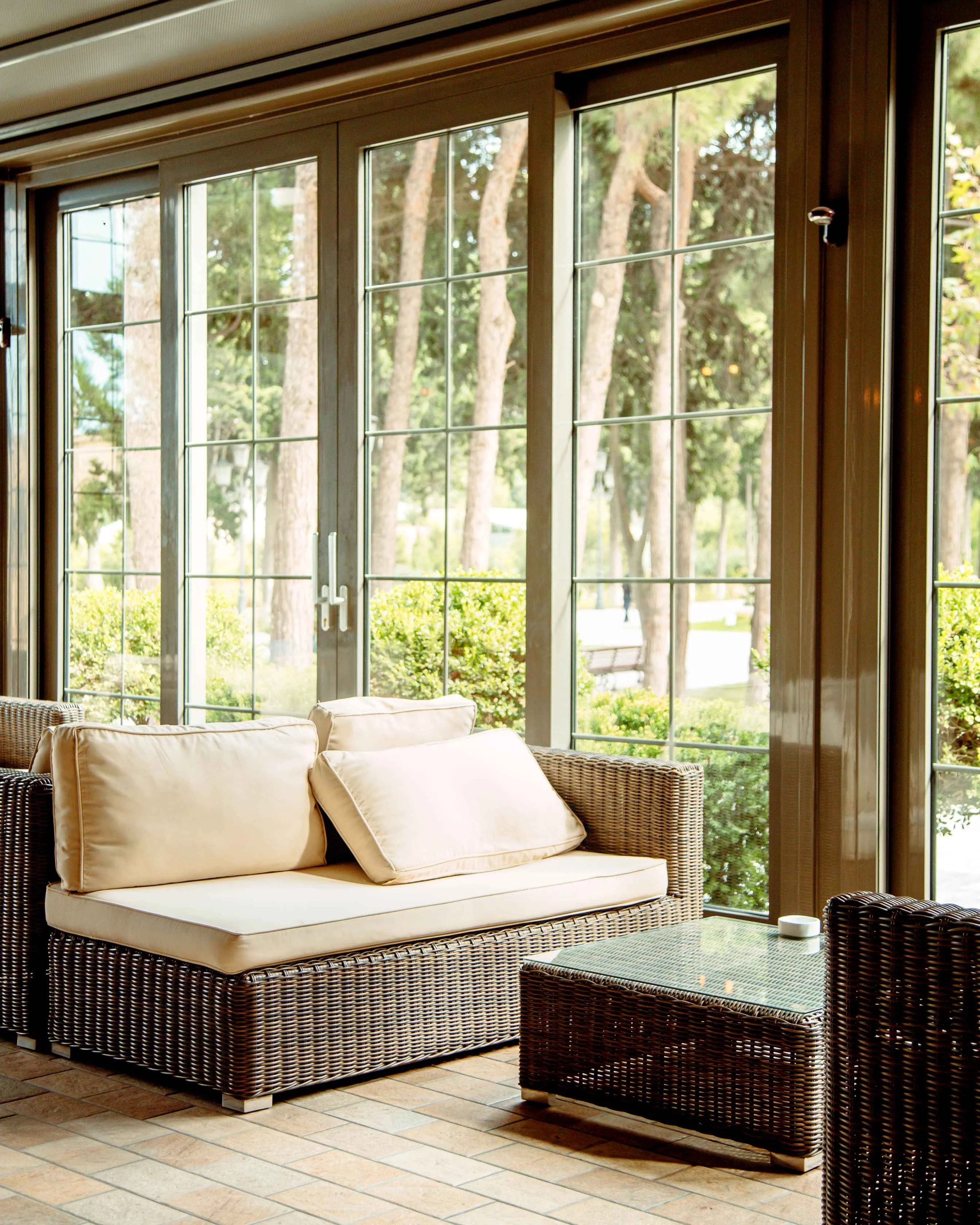

When summer arrives and temperatures start climbing, your choice of doors and windows matters more than you might think. Most people focus on air conditioning capacity or insulation levels in the walls, but overlook one of the biggest contributors to indoor comfort the frames around their openings. If you’ve been wondering how aluminum doors and windows actually hold up during the hottest months of the year, you’re in the right place.
The truth is, aluminum frames have a complicated relationship with summer. They’re incredibly strong, slim, and modern-looking but how they perform thermally, structurally, and aesthetically in hot weather depends a lot on the quality of the product and how it’s engineered. Let’s break it all down so you can make a well-informed decision.
Why Aluminum Is a Popular Choice for Doors and Windows
Before we dive into summer performance specifically, it helps to understand why aluminum doors and windows have become so widely used in both residential and commercial construction. Aluminum is a naturally strong yet lightweight metal, which means it can support large glass panels with slimmer profiles than timber or uPVC alternatives. This is a big deal in modern architecture where floor-to-ceiling glazing and uninterrupted sight lines are highly desirable.
Aluminum is also highly resistant to rust, warping, and physical damage. Unlike wood, it won’t swell when humidity rises, and unlike some plastics, it won’t become brittle with age. These properties make it a long-term investment but they don’t automatically guarantee comfort in summer unless the product is properly designed.
How Aluminum Reacts to Summer Heat
Here’s something worth understanding: aluminum is a highly conductive metal. That means it transfers heat quickly. In plain terms, if the sun is beating down on an aluminum frame with no thermal break, that heat will travel through the material and into your home. This is why early generations of aluminum windows had a reputation for making rooms uncomfortably warm in summer and cold in winter.
However, modern aluminum doors and windows are engineered very differently. Today’s quality products use what’s called a thermal break a strip of low-conductivity material (usually polyamide) inserted between the inner and outer sections of the aluminum frame. This interrupts the heat transfer path, dramatically reducing the amount of solar energy that makes it inside your home.
So when someone asks how aluminum performs in summer, the honest answer is: it depends on whether the product has a thermal break. Without one, performance in extreme heat can be poor. With a quality thermal break system, it performs very well indeed.
Energy Saving Glass for Windows in Pune: Types, Benefits and Selection Tips
Read this blog
The Role of Glass in Summer Comfort
It would be unfair to talk about how aluminum frames perform without mentioning the glass because in most installations, glass covers the vast majority of the window surface area. The frame is crucial, but so is what sits inside it.
For summer performance, double glazing or triple glazing with a low-emissivity (Low-E) coating is highly effective. Low-E glass has a thin metallic coating that reflects infrared heat while still allowing visible light to pass through. When paired with aluminum frames that have a good thermal break, the combination creates a genuinely high-performing barrier against summer heat gain.
Some homeowners also opt for tinted or reflective glass, which reduces solar glare and heat gain further. This can be particularly useful on south- and west-facing elevations that receive the most direct afternoon sun.

Ventilation and Natural Cooling
One underrated benefit of aluminum doors and windows is their suitability for slim, large-span opening designs. This means you can install wide sliding doors, large casement windows, or full-height bifold systems that maximise airflow when opened. In summer, natural ventilation is one of the most effective and energy-efficient ways to cool a home and the right configuration of aluminum windows and doors makes this much easier to achieve.
Cross-ventilation where windows on opposite sides of a room are opened simultaneously is particularly effective. Because aluminum frames can accommodate large glass panels, you get both excellent views and strong airflow when you need it. This makes them a practical choice in warm climates where you want the flexibility to cool naturally on mild evenings and rely on mechanical cooling during peak daytime heat.
Structural Integrity in High Temperatures
One concern people sometimes raise about aluminum in summer is expansion. All materials expand when heated, and aluminum is no exception. However, quality aluminum door and window systems are engineered to accommodate this movement. The tolerances built into the hardware, seals, and frame joints account for thermal expansion and contraction, so you shouldn’t experience warping, sticking, or seal failure in normal conditions.
In contrast, poorly manufactured or cheaply installed aluminum frames can experience issues if the expansion allowances aren’t correctly built in. This is why choosing a reputable supplier and installer matters as much as the product specification itself. A well-made aluminum door should open and close smoothly even on the hottest days of the year.
Energy Efficiency: A Summer Perspective
We often hear about energy efficiency in the context of winter heating keeping warm air in. But the flip side is just as important in summer: keeping hot air out and reducing reliance on air conditioning. Thermally broken aluminum windows and doors, combined with quality glazing, contribute meaningfully to a home’s overall thermal envelope.
When less solar heat enters through your windows and doors, your air conditioning system doesn’t need to work as hard. That translates to lower electricity bills and a reduced environmental footprint. For homeowners who care about both comfort and running costs, the upfront investment in high-quality aluminum doors and windows tends to pay dividends over time.
It’s worth noting that some energy rating schemes assess both winter and summer performance separately. A product that scores well on both will give you year-round comfort, not just seasonal benefits.
uPVC Doors and Windows: Benefits, Types, Features & Uses
Read this blog
Maintenance in Summer: What You Need to Know
Summer can be tough on building materials, but aluminum holds up remarkably well. It doesn’t fade significantly in UV light, it won’t peel or crack like painted timber, and the anodised or powder-coated finishes common on aluminum windows are highly resistant to heat and UV degradation. This means your frames will continue to look great year after year with minimal upkeep.
Basic summer maintenance usually involves cleaning the frames and tracks with a soft cloth, lubricating the hinges and handles occasionally, and checking that the weather seals are intact. If a seal has degraded, it’s worth replacing promptly a compromised seal will reduce both weather resistance and thermal performance.
Making the Right Choice for Your Home
If you’re considering aluminum doors and windows for a new build or renovation, the key is to look beyond the aesthetics and ask the right questions about the product specification. Does it feature a thermal break? What glazing options are available? How does the manufacturer’s warranty address thermal performance?
The orientation of your home also plays a role. A north-facing window in a southern hemisphere home, for example, receives substantially more sun than a south-facing one, so you might want a higher-specification product for those elevations. A good supplier will be able to advise you on this.
Ultimately, aluminum doors and windows can deliver excellent summer performance but only when the product is right for the application. Cheap, non-thermally-broken frames will always underperform in hot climates. Well-engineered systems, on the other hand, will keep your home cool, comfortable, and energy-efficient for decades.
Final Thoughts
Summer is the real test for any door or window system. The combination of heat, UV exposure, and thermal stress separates average products from great ones. Aluminum, when properly engineered with a thermal break and paired with the right glazing, is one of the most reliable and visually appealing options available for modern homes.
Whether you’re building from scratch, replacing ageing frames, or upgrading to improve energy efficiency, it’s worth investing in quality. If you’d like to explore a range of high-performance aluminum doors and windows designed to perform beautifully in all seasons, browse the Haimish Windows product range and find the right solution for your home.

