

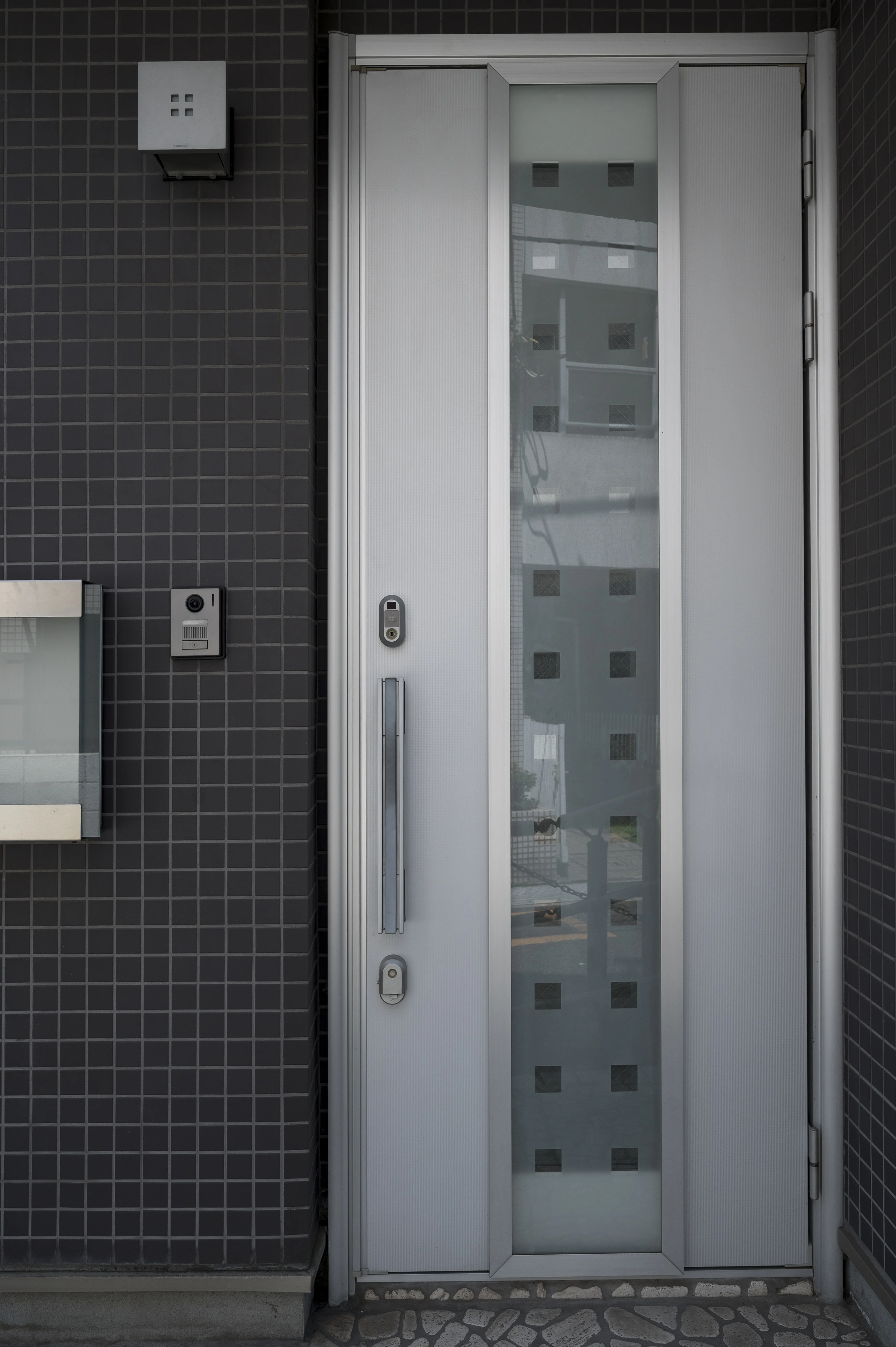

Upgrade your bathroom with durable, waterproof uPVC bathroom doors. Affordable, low maintenance, and stylish designs built for long-lasting performance.
A bathroom door has to deal with something that most other doors don’t: moisture every single day.
Steam, water splashes, humidity and regular cleaning can gradually affect materials that aren’t designed for wet environments. Wooden doors may swell, metal hardware can corrode, and finishes can deteriorate if moisture is allowed to sit on them for long periods.
This is one reason uPVC bathroom doors are worth considering.
uPVC is moisture-resistant, relatively easy to maintain and available in different designs. It can be a practical option for bathrooms in apartments, independent homes, rental properties and commercial spaces.
But the material is only one part of the decision. Door construction, hardware, ventilation, privacy, size and installation also matter.
Why Are uPVC Bathroom Doors a Practical Choice?
Bathrooms are demanding spaces. The door needs to handle humidity while remaining easy to operate and clean.
uPVC can offer several practical advantages.
Resistant to Moisture
uPVC doesn’t absorb water in the same way that natural wood does.
This makes it suitable for areas where regular exposure to humidity and water is expected.
That doesn’t mean every uPVC door installation is automatically leak-proof. The surrounding frame, hardware, seals and installation also need to be appropriate for the application.
Easy to Clean
Bathroom doors are regularly exposed to soap residue, dust and moisture.
A smooth uPVC surface can generally be cleaned with a soft cloth, water and a mild cleaning solution.
There’s no regular polishing or varnishing routine like you might have with some wooden doors.
Resistant to Termites
Unlike timber, uPVC isn’t a food source for termites.
For homeowners who want to avoid termite-related maintenance, this can be a useful advantage.
Low Maintenance
One of the main reasons homeowners consider uPVC is the relatively simple maintenance.
There is generally no need for routine painting, polishing or waterproof coating.
The hinges, handles, locks and other hardware still need occasional checking, just like any other frequently used door.
Lightweight and Easy to Operate
uPVC doors are relatively lightweight compared with many solid timber doors.
This can make them convenient for everyday bathroom use, particularly in smaller homes and apartments.

Are uPVC Bathroom Doors Waterproof?
This is an important distinction.
uPVC itself is resistant to moisture and does not absorb water like timber. However, calling an entire door installation 100% waterproof can be misleading.
Water resistance depends on the complete door system, including:
- Door panel
- Frame
- Seals
- Hardware
- Threshold
- Installation
- Surrounding wall and floor
For a bathroom, the goal is to choose a door and installation method that can handle the level of moisture and water exposure expected in that particular space.
uPVC Bathroom Doors vs Wooden Doors
Wood has a warm and traditional appearance, which is why it remains popular for many interior applications.
Bathrooms are a different environment, though.
With repeated exposure to moisture, untreated or poorly protected timber can:
- Swell
- Warp
- Require refinishing
- Develop surface damage
- Become difficult to operate
uPVC doesn’t have the same moisture-absorption characteristics as wood, making it a practical alternative for wet areas.
The choice ultimately depends on the bathroom’s design, ventilation, budget and maintenance expectations.
uPVC Bathroom Doors vs Aluminium Doors
Aluminium is another common material for bathroom doors.
Both materials can work well, but they offer different characteristics.
| Feature | uPVC | Aluminium |
|---|---|---|
| Moisture resistance | Good | Good |
| Maintenance | Low | Low |
| Appearance | Available in different finishes | Wide range of finishes |
| Weight | Relatively lightweight | Lightweight |
| Thermal insulation | Naturally good | Depends on system |
| Design flexibility | Good | High |
| Termite resistance | Yes | Yes |
For a residential bathroom, uPVC can be a practical choice where moisture resistance and low maintenance are priorities.
Aluminium may be preferred where a slimmer, more contemporary frame aesthetic is important.
uPVC Bathroom Door Designs
Choosing a bathroom door doesn’t mean compromising on appearance.
Modern uPVC doors can be available in different styles and finishes depending on the system.
Solid Panel uPVC Doors
Solid panels provide a simple and private appearance.
They can work particularly well for bedrooms and bathrooms where privacy is the main consideration.
uPVC Doors with Ventilation Panels
Bathrooms need adequate ventilation to reduce humidity.
A door can incorporate a suitable ventilation arrangement where the bathroom layout requires additional airflow.
However, ventilation should be planned as part of the overall bathroom design rather than relying only on the door.
Wood-Look uPVC Doors
If you like the appearance of timber but want a lower-maintenance material, wood-look uPVC finishes can provide an alternative aesthetic.
Frosted Glass Inserts
For homeowners who want additional daylight, a suitable frosted or privacy glass insert can be incorporated into certain door designs.
The exact glass and door construction should be selected according to privacy and safety requirements.
uPVC Doors and Windows: Benefits, Types, Features & Uses
Read this blog
Are uPVC Bathroom Doors Suitable for Small Bathrooms?
They can be.
In a compact bathroom, the available space around the doorway matters just as much as the door material.
A conventional hinged door may require enough clearance to swing open without hitting:
- A wash basin
- Toilet
- Vanity
- Shower enclosure
- Another door
Where space is limited, a suitable sliding configuration may be worth considering if the building layout and door system allow it.
Before choosing the door, measure the opening and the surrounding space.
uPVC Bathroom Doors for Pune Homes
Pune’s climate makes moisture management particularly relevant.
During the monsoon, bathrooms and other enclosed spaces can experience higher humidity. A bathroom door therefore needs to be easy to clean and resistant to everyday moisture exposure.
For Pune homes, consider:
- Moisture resistance
- Bathroom ventilation
- Hardware quality
- Door-frame installation
- Surface finish
- Ease of cleaning
- Long-term maintenance
The door should work as part of the bathroom rather than being selected separately from the ventilation and waterproofing strategy.
Do uPVC Bathroom Doors Need Ventilation?
The door itself doesn’t necessarily need a ventilation opening in every bathroom.
What matters is whether the bathroom has an effective way to remove humid air.
Depending on the layout, ventilation may come from:
- An exhaust fan
- An operable window
- A ventilator
- A mechanical ventilation system
- A suitable gap or grille arrangement
If a ventilation panel is incorporated into the door, it should still maintain the required level of privacy.
How Much Do uPVC Bathroom Doors Cost?
There isn’t one fixed price for a uPVC bathroom door.
The final cost can depend on:
- Door size
- Profile or panel construction
- Door design
- Finish and colour
- Hardware
- Lock type
- Ventilation requirements
- Glass inserts, if any
- Installation
- Quantity
A simple bathroom door and a customised design with specialised hardware can have very different prices.
When comparing quotations, look at the complete specification rather than choosing purely on the lowest price.
What to Check Before Buying uPVC Bathroom Doors
Check the Door Construction
Ask how the door panel and frame are constructed and whether they are intended for bathroom applications.
Check the Hardware
Handles, hinges and locks are used every day.
Good-quality hardware can make a noticeable difference to smooth operation and durability.
Consider Privacy
A bathroom door should provide the right level of privacy for the people using the space.
Think About Ventilation
If the bathroom has limited ventilation, discuss whether a ventilated door design is appropriate.
Check the Finish
Choose a finish that works with the bathroom’s tiles, fittings and overall interior.
Don’t Ignore Installation
Even a good door can perform poorly if the frame isn’t installed correctly or the surrounding opening isn’t properly finished.
Common Mistakes When Choosing a Bathroom Door
Choosing Only Based on Appearance
A door may look great in a showroom but not work well with the actual bathroom layout.
Ignoring Moisture Exposure
The closer the door is to the shower or wet area, the more important moisture resistance becomes.
Forgetting About Ventilation
A well-designed bathroom still needs a way to remove humid air.
Choosing Poor-Quality Hardware
A door that looks good but has weak hinges or an unreliable lock can become frustrating very quickly.
Not Measuring the Surrounding Space
Check the door’s swing, nearby fixtures and available clearance before finalising the design.
How to Maintain uPVC Bathroom Doors
The good news is that maintenance is straightforward.
For routine cleaning:
- Wipe the door with a soft, damp cloth.
- Use mild soap for stubborn marks.
- Avoid abrasive cleaning products.
- Clean the frame and corners regularly.
- Check hinges and locks periodically.
- Don’t allow water to remain around the bottom of the frame for long periods.
- Address loose hardware early.
Regular simple cleaning is generally better than using aggressive chemicals occasionally.
Frequently Asked Questions About uPVC Bathroom Doors
Are uPVC bathroom doors good for wet areas?
Yes. uPVC is naturally resistant to moisture and does not absorb water like timber, making it suitable for many bathroom applications.
Are uPVC bathroom doors waterproof?
The uPVC material itself is moisture-resistant, but the complete door installation should not automatically be described as completely waterproof. Seals, frame construction, threshold and installation all affect water resistance.
Are uPVC bathroom doors better than wooden doors?
For moisture-heavy environments, uPVC can be easier to maintain because it doesn’t absorb water like timber. Wooden doors can still be used in bathrooms when appropriately specified and protected.
Do uPVC bathroom doors attract termites?
No. uPVC isn’t a food source for termites, unlike natural timber.
Are uPVC bathroom doors easy to clean?
Yes. Their smooth surfaces can generally be cleaned with a soft cloth, water and a mild cleaning solution.
Can uPVC bathroom doors have glass?
Depending on the door design, privacy or frosted glass inserts can be incorporated. The glass should be appropriately specified for the application.
Are uPVC bathroom doors suitable for small bathrooms?
Yes. Their lightweight construction can work well in compact bathrooms, and where appropriate, space-saving configurations can be considered.
How long do uPVC bathroom doors last?
Service life depends on the quality of the door, hardware, installation, exposure and maintenance. Rather than relying on a fixed number of years, compare the manufacturer’s specification and warranty.
Are uPVC bathroom doors available in different colours?
Yes. Depending on the system, uPVC bathroom doors can be available in different colours, textures and finishes.

