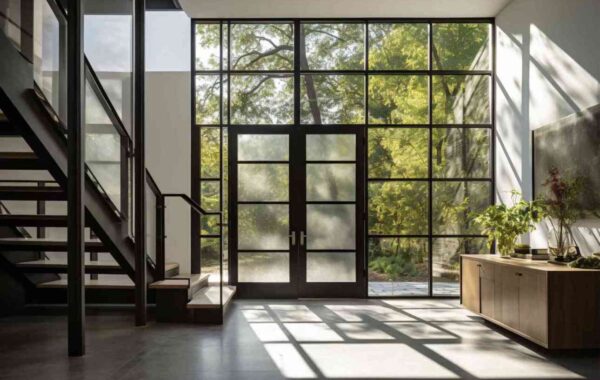

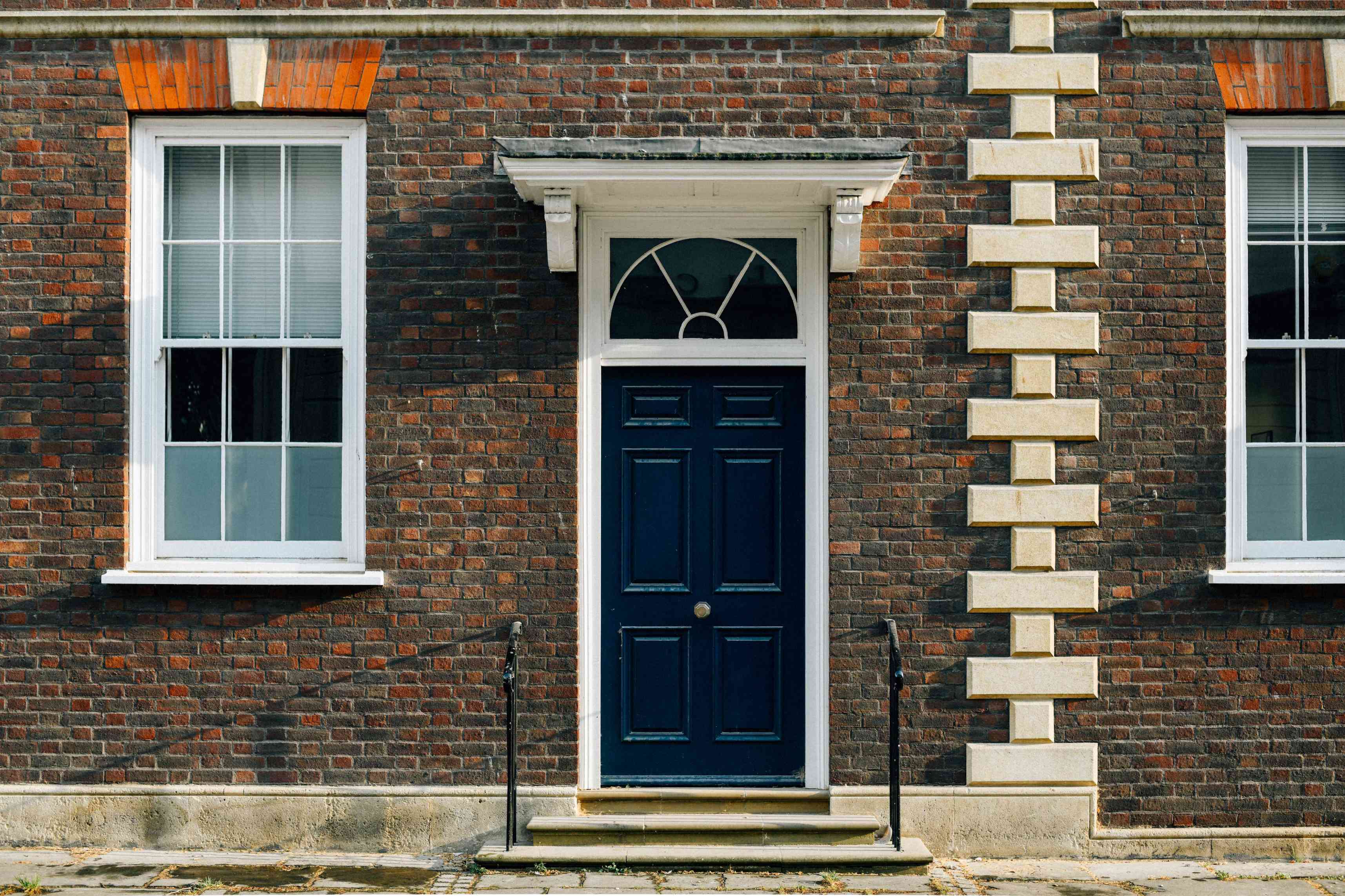
Modern Window and Door Design Ideas for Homes | Smart, Stylish, and Space-Saving

Explore modern window and door design ideas for homes. Discover smart, stylish, and space-saving solutions that transform your living space inside and out.
Your home’s windows and doors do a lot more than keep the weather out. They shape how a space feels, how much natural light fills your rooms, and even how large or small a space appears. And yet, they’re often treated as an afterthought — chosen for practicality alone and styled last. That’s a missed opportunity.
The good news is that modern window and door design has come a long way. Whether you’re building a new home, renovating, or simply refreshing an older property, there are now more intelligent, stylish, and space-efficient options than ever before. This blog walks you through some of the most popular and practical design ideas worth considering for any home.
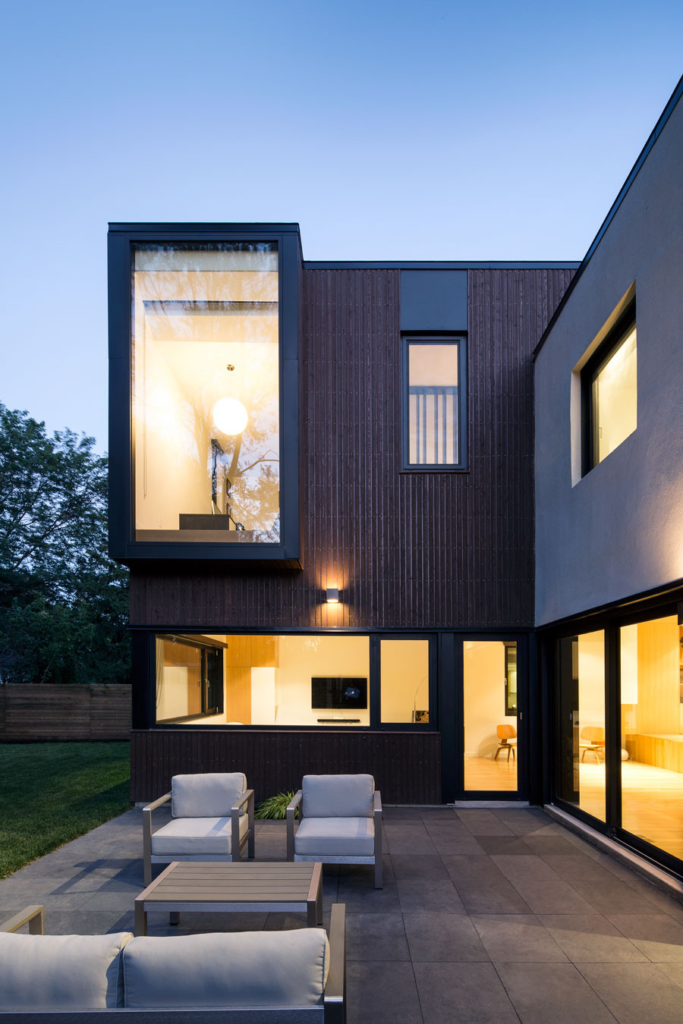
Modern bay and large-format windows are a hallmark of contemporary home design.
Start With the Big Picture: How Windows Shape a Room
Before you start picking profiles and finishes, it’s worth stepping back and thinking about what you actually want your windows to do. Do you want to flood a dark room with natural light? Create a visual connection between indoor and outdoor spaces? Add a design feature to an otherwise plain facade?
The answers to these questions will guide everything — from the style of window you choose to where you position it, how large you make it, and what glazing you use. Good window design isn’t just about aesthetics. It’s about function, and the two should always work together.
In modern homes, large-format windows and glazed doors have become one of the most effective tools for making a space feel bigger, brighter, and more connected to its surroundings. If you’re working with a limited footprint, this alone can transform how a home feels to live in.
Bifold and Sliding Doors: Erasing the Line Between Inside and Outside
Bifold and sliding glass door systems open up living spaces to outdoor areas seamlessly.
If there’s one design trend that’s genuinely changed how people live in their homes, it’s the wide-opening door system. Bifold doors, sliding doors, and stacking glass panels have made it possible to completely open up a wall, blurring the boundary between a living area and a garden, terrace, or courtyard.
Bifold Doors
Bifold doors fold back on themselves in a concertina action, stacking neatly at one or both ends of the opening. They’re a great option when you want maximum aperture — you can open up almost the entire wall width, creating a seamless transition to an outdoor space. They work particularly well in kitchen-dining areas that connect to a garden.
Sliding Doors
Sliding doors glide on a track system and tend to offer a cleaner, more minimal aesthetic than bifolds. They don’t require the same clearance for folding panels, which can be useful where space is tight. Large two or three-panel sliding systems are becoming increasingly popular in contemporary homes, especially where a sleek, uncluttered look is the priority.
Both options are available in slim aluminum frames that maximise the glass area and keep sightlines clean. The thinner the frame, the more glass — and the more glass, the better the view and the more light you bring in.
Casement and Tilt-and-Turn Windows: Timeless Versatility
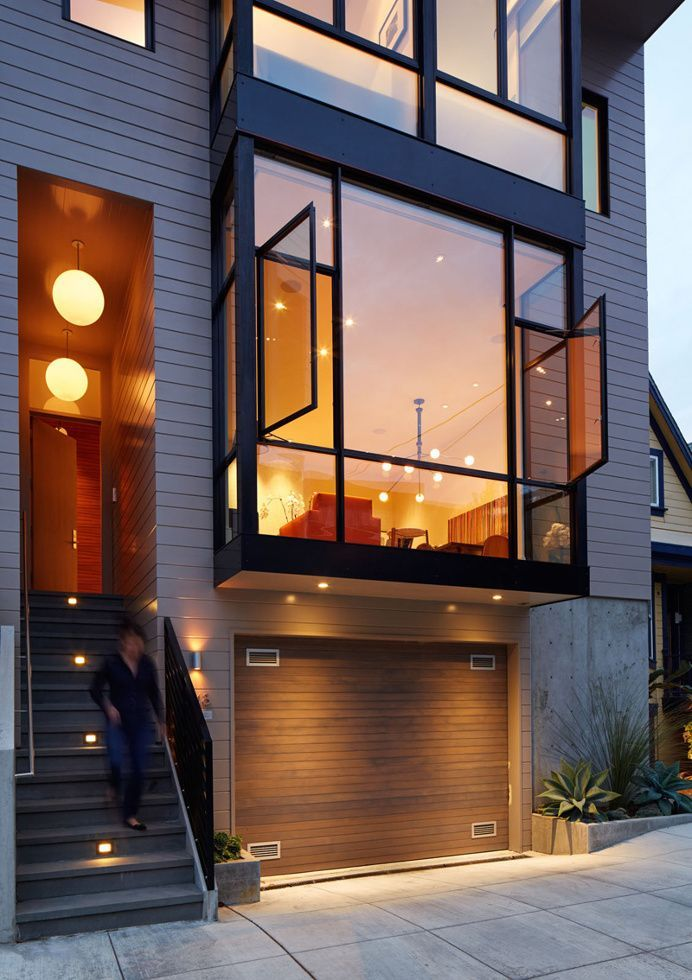
Casement and tilt-and-turn windows offer practical ventilation with a clean, minimalist aesthetic.
For most rooms in a home, casement windows remain one of the most practical and attractive choices. They open outward on a side hinge, giving you excellent ventilation control and a clear, unobstructed view when closed. In slim aluminum frames, they look sharp and modern without dominating the wall.
Tilt-and-turn windows add an extra layer of flexibility. They can tilt inward at the top for secure background ventilation — useful in bedrooms where you want airflow without compromising security — or swing fully open inward for easy cleaning and maximum airflow. This dual functionality makes them a popular choice in apartments and upper-floor rooms.
From a design perspective, casement and tilt-and-turn windows work well in most architectural styles. They’re clean, geometric, and available in a wide range of finishes to complement both traditional and contemporary homes.
Pivot Doors: Making a Statement at Your Entrance

Pivot doors create a dramatic, architectural entrance that sets the tone for the whole home.
The front door is the first thing visitors see, and it sets the tone for everything inside. If you want to make a genuine design statement, a pivot door is hard to beat. Unlike a standard hinged door, a pivot door rotates on a central or offset vertical axis — creating a dramatic, architectural quality that feels both modern and impressive.
Pivot doors can be made much taller and wider than conventional hinged doors because the pivot mechanism handles the weight differently, eliminating the stress on standard side hinges. This makes them ideal for homes with high ceilings or bold entryways. Combine a floor-to-ceiling pivot door with sidelights — narrow vertical glass panels flanking the door — and you create an entrance that genuinely wows.
From a practical standpoint, pivot doors are also highly secure and — when made from aluminum — incredibly durable. The weight of the door is supported by the pivot point, not the frame, which means less wear over time and a smoother, more satisfying action every time you open it.
Space-Saving Design Strategies Worth Knowing
Not every home has the luxury of unlimited wall space. For smaller rooms, tighter floorplans, or homes where every square metre counts, there are a handful of smart design approaches that can make windows and doors work much harder.
Corner Windows
A corner window removes the structural column at the junction of two walls and replaces it with glazing, creating an almost uninterrupted glass corner. The effect is striking — it makes a room feel much larger, brings in light from two directions, and creates an interesting architectural feature. Corner windows require careful structural planning but deliver a genuinely impressive result.
Pocket Sliding Doors
In rooms where a door swings into valuable floor space, a pocket sliding door — one that slides into the wall cavity — is a clever solution. It disappears completely when open, freeing up the full floor area and creating a more flexible, open-plan feel. This is particularly effective between a living room and hallway, or a kitchen and utility room.
Highlight and Clerestory Windows
Positioned high on a wall or just below the ceiling line, clerestory and highlight windows bring in natural light without sacrificing wall space or privacy. They’re excellent in bathrooms, hallways, and rooms where you want daylight without overlooking neighbours. At night, they can frame a strip of sky that looks beautiful from inside.
Choosing the Right Finish and Frame Colour
Frame colour and finish are the details that tie a window or door design together. Aluminum frames can be powder-coated in virtually any RAL colour, giving you enormous creative freedom to complement or contrast with your home’s exterior and interior palette.
Anthracite grey (RAL 7016) has been one of the most popular choices in recent years for contemporary homes — it’s sophisticated, architectural, and works well with both light masonry and dark timber cladding. Black frames create a bolder, more graphic look, particularly effective with large glass panes where the contrast is a deliberate design choice.
For a softer, more traditional aesthetic, white or cream frames remain a classic option that suits a wide range of home styles. Some homeowners also opt for dual-colour frames — one colour on the exterior, a different shade internally — which gives flexibility to coordinate with both the outside of the house and the interior decor.
Smart Windows and Integrated Technology
Modern window and door design increasingly intersects with smart home technology. Motorised opening systems, integrated blinds between glazing panels, and electronically switchable privacy glass are all now practical options for residential use.
Motorised windows are particularly useful in hard-to-reach locations — high-level rooflights, clerestory windows, or large commercial-style glazed panels — where manual operation would be awkward. They can be controlled by a wall switch, remote control, or integrated into a smart home system for automated ventilation and solar shading.
Integrated blinds — where a blind is sealed within the cavity of a double-glazed unit — offer a clean, maintenance-free solution for managing glare and privacy without the need for curtain tracks or external blind fittings. They’re particularly popular in contemporary homes where clean lines and minimal visual clutter are important.
Bringing Your Ideas to Life
Good window and door design is genuinely transformative. The right choices can open up a space, flood it with light, connect it to the outdoors, and give your home a character and quality that lasts for decades. The wrong choices — or poorly made products — can undermine all of that.
Whether you’re drawn to the drama of a pivot entrance door, the openness of a bifold wall, or the clean simplicity of slim casement windows, the key is to work with products that are engineered to deliver on both aesthetics and performance.
Ready to explore what’s possible for your home? Browse the full range of modern windows and doors at Haimish Windows and find a design that’s as smart and stylish as the home you’re creating.