

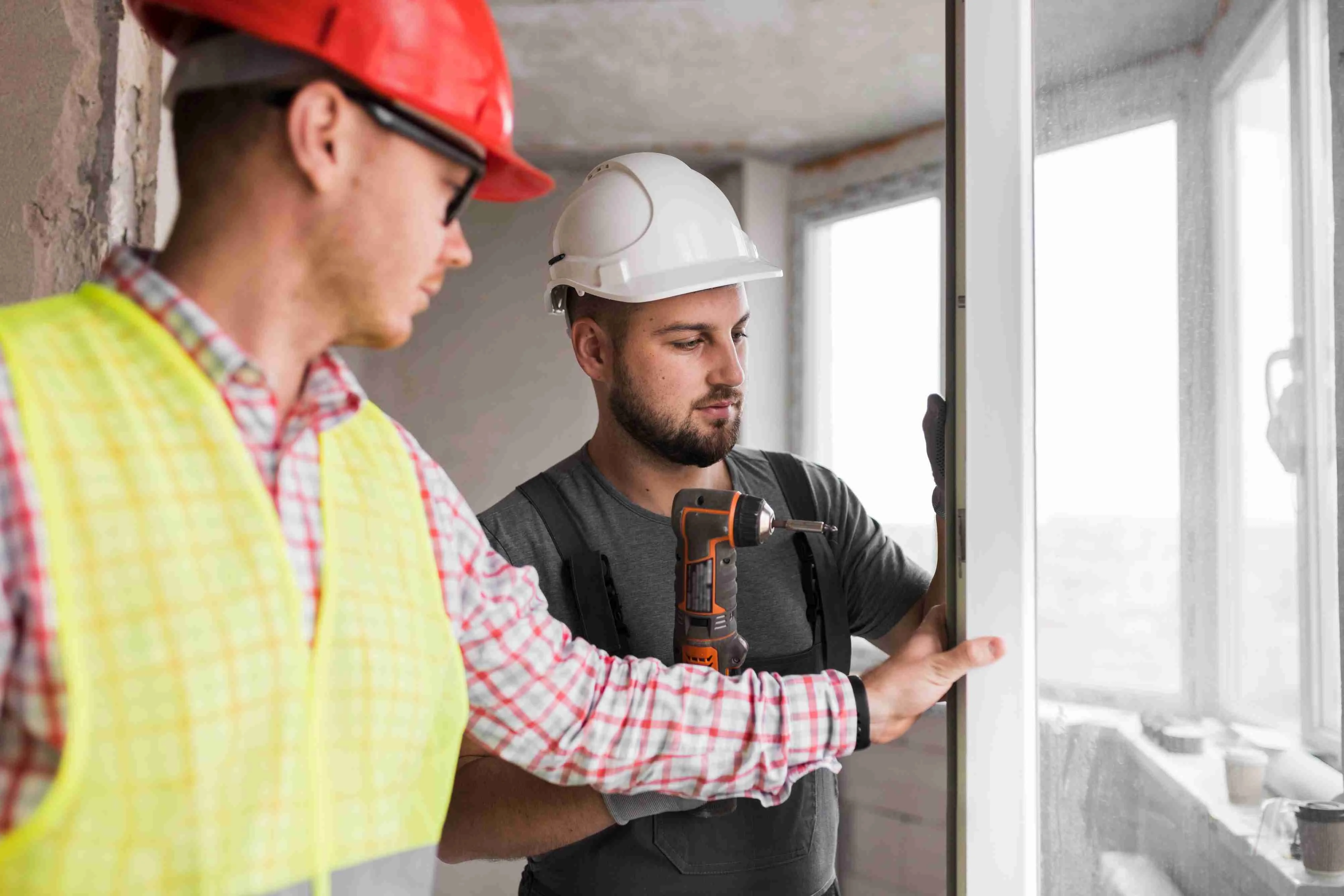

The frame gets all the attention on a quote. The hardware inside it is usually what actually fails first.
When choosing uPVC windows for your home or commercial property, the frame and glass are important—but the uPVC window hardware is equally critical. Hinges, handles, rollers, locks and other hardware components determine how smoothly a window operates, how securely it closes and how well it performs over time.
Good-quality hardware can improve security, ventilation, ease of operation and long-term durability. This is why hardware should be considered carefully when comparing uPVC windows and quotations.
In this guide, we explain the main types of uPVC window hardware, how they work, what to look for and how proper maintenance can extend their service life.
What Is uPVC Window Hardware?
uPVC window hardware refers to the mechanical components that allow a window to open, close, lock and move correctly.
Depending on the window design, hardware can include:
- Window handles
- Multi-point locking systems
- Locking rods and mechanisms
- Rollers and rollers for sliding systems
- Hinges
- Espagnolette mechanisms
- Strike plates
- Restrictors and child-safety devices
- Gaskets and adjustment components
Although these parts are relatively small compared with the window frame, they have a major impact on the everyday performance of a uPVC window.
Why Is uPVC Window Hardware Important?
The quality of hardware affects more than just the way a window feels when you operate it.
1. Security
A properly designed locking system helps keep the window securely closed. Multi-point locking mechanisms can engage at several points around the window frame, making the system more secure than a basic single locking point.
2. Smooth Operation
Good-quality handles, hinges and rollers allow the window to open and close smoothly without excessive force.
If a window becomes difficult to operate, the problem may not always be the frame. Hardware adjustment, lubrication or wear can also be responsible.
3. Better Sealing
Correctly functioning hardware helps pull the sash firmly against the frame and seals. This can reduce unwanted air leakage and help maintain indoor comfort.
4. Long-Term Durability
Windows are opened and closed repeatedly. Hardware therefore experiences regular mechanical stress. Durable components can provide more reliable performance over years of everyday use.

What Is a Multi-Point Locking System?
A multi-point locking system secures a window at more than one location along the frame.
When the handle is turned into the locked position, multiple locking points can engage with the corresponding keeps or strike plates.
This type of mechanism is commonly used in modern uPVC windows because it combines convenient operation with enhanced security.
Benefits of Multi-Point Locking
A multi-point locking system can provide:
- Multiple locking points
- More secure closure
- Better compression of the seals
- Improved resistance to forced opening
- A more consistent seal around the window
The exact mechanism and number of locking points depend on the window system and hardware specification.
uPVC Window Handles: What Should You Look For?
The handle is one of the most frequently used components of a window. Every time you open or close the window, the handle operates the locking mechanism.
When selecting uPVC window handles, consider:
- Build quality
- Comfortable grip
- Smooth operation
- Corrosion resistance
- Locking capability
- Compatibility with the window system
- Child-safety requirements where applicable
A good handle should operate smoothly without requiring excessive force.
If the handle becomes stiff, loose or difficult to turn, it may indicate that the mechanism needs adjustment, lubrication or servicing.
What Are Rollers in uPVC Windows?
Rollers are particularly important in sliding window and door systems. They allow the moving sash to travel along its track.
High-quality rollers can make a noticeable difference to everyday usability.
A properly adjusted sliding window should move smoothly without excessive noise, sticking or unnecessary resistance.
Common Signs of Roller Problems
You may need to inspect or service the rollers if:
- The sliding sash becomes difficult to move
- The window feels unusually heavy
- There is grinding or excessive noise
- The sash appears uneven
- The window does not close correctly
- The locking mechanism becomes difficult to engage
Replacing worn rollers or adjusting the system can often restore smooth operation.
Hinges and Their Role in uPVC Windows
Hinges allow casement and other opening windows to pivot correctly.
They support the sash and control its movement when the window is opened and closed.
Good-quality hinges should provide:
- Stable movement
- Correct sash alignment
- Reliable support
- Smooth opening and closing
- Long-term resistance to wear
If a window starts rubbing against the frame or becomes difficult to close, hinge adjustment may be required.
How Does Hardware Affect Window Performance?
A high-quality uPVC profile alone does not guarantee excellent window performance. The complete window is a combination of several components working together.
These include:
Frame + Glass + Seals + Hardware + Fabrication + Installation
If any one of these areas is poorly specified or incorrectly installed, the overall performance of the window can be affected.
This is why it is important to evaluate the complete window specification rather than choosing a product based only on the profile or glass thickness.
How to Choose the Right uPVC Window Hardware
When comparing uPVC windows, ask your supplier about the hardware specification.
Important questions include:
- What type of locking mechanism is being used?
- How many locking points does the system have?
- Which hardware brand or hardware specification is included?
- Are the rollers suitable for the sash weight?
- What type of hinges are being used?
- Is the hardware corrosion-resistant?
- Can the hardware be adjusted or serviced?
- What warranty applies to the hardware?
- Is child-safety hardware available if required?
- Is hardware included in the quoted price?
These questions can help you compare quotations more accurately.
uPVC Window Hardware and Security
Security is one of the most important considerations when selecting windows for a home or commercial property.
A good locking system should securely hold the sash against the frame when closed. Multi-point locking mechanisms can provide locking engagement at multiple locations.
However, window security depends on the complete installation—not just the lock.
The frame, glass, hardware, reinforcement, fixing method and installation quality all contribute to the final result.
uPVC Window Hardware Maintenance
Regular maintenance can help keep window hardware operating smoothly.
Clean the Hardware
Keep moving components and tracks free from excessive dust and debris.
Lubricate Moving Parts
Use an appropriate lubricant on the relevant moving components according to the manufacturer’s recommendations.
Check the Handles
If a handle becomes loose or unusually stiff, have it inspected rather than continuing to force it.
Inspect Rollers and Tracks
Sliding systems should be kept clean and checked periodically for signs of wear.
Check Locking Points
Make sure the locking mechanism engages and releases smoothly.
Schedule Professional Servicing
For large installations or windows showing signs of wear, professional inspection can identify adjustment or replacement requirements before a minor issue becomes a larger problem.
Common uPVC Window Hardware Problems
Why is my uPVC window handle difficult to turn?
A stiff handle can be caused by misalignment, excessive pressure on the locking mechanism, lack of lubrication or worn hardware.
Why is my sliding uPVC window difficult to move?
Dirty tracks, worn rollers, incorrect adjustment or excessive sash weight can affect sliding performance.
Why doesn’t my uPVC window lock properly?
The sash may be misaligned, or the locking points may require adjustment. Damaged or worn hardware can also cause locking problems.
Can uPVC window hardware be replaced?
In many cases, individual hardware components can be replaced or adjusted. The replacement should be compatible with the existing window system.
uPVC Window Hardware in Pune
For homes, offices and commercial buildings in Pune, selecting the right window system is particularly important for long-term comfort, security and usability.
When choosing uPVC windows in Pune, consider the complete specification rather than looking only at the initial price. Hardware quality, glass specification, profile system, fabrication and professional installation should all be evaluated together.
At Haimish Windows, we help customers select window and door solutions based on the requirements of their property, including residential and commercial applications.
Frequently Asked Questions About uPVC Window Hardware
What is the most important hardware in a uPVC window?
The locking mechanism, handle, hinges and other operating components all play important roles. The right combination depends on the type and size of the window.
Are multi-point locks better for uPVC windows?
Multi-point locking systems can provide locking engagement at several locations and are widely used in modern uPVC window systems.
How long does uPVC window hardware last?
Hardware life depends on product quality, usage, environmental conditions, installation and maintenance. Regular servicing can help maintain performance.
Can uPVC window handles be replaced?
Yes, many uPVC window handles can be replaced, provided the replacement handle is compatible with the existing mechanism and window system.
Do sliding uPVC windows use different hardware?
Yes. Sliding systems typically use components such as rollers, tracks, handles and locking mechanisms designed specifically for sliding operation.
How often should uPVC window hardware be maintained?
The maintenance requirement depends on the hardware and usage. Periodic inspection and cleaning, along with lubrication where recommended by the manufacturer, can help maintain smooth operation.
Final Thoughts
uPVC window hardware may not be the most visible part of a window, but it has a significant effect on security, smooth operation, sealing and durability.
When buying new uPVC windows, look beyond the frame and ask about the complete hardware specification. Quality locks, handles, hinges and rollers, combined with correct fabrication and professional installation, can make a significant difference to the long-term performance of your windows.
If you are planning a residential or commercial window project in Pune, choosing the right combination of uPVC profiles, glass, hardware and installation can help you achieve a more reliable and comfortable result.

