

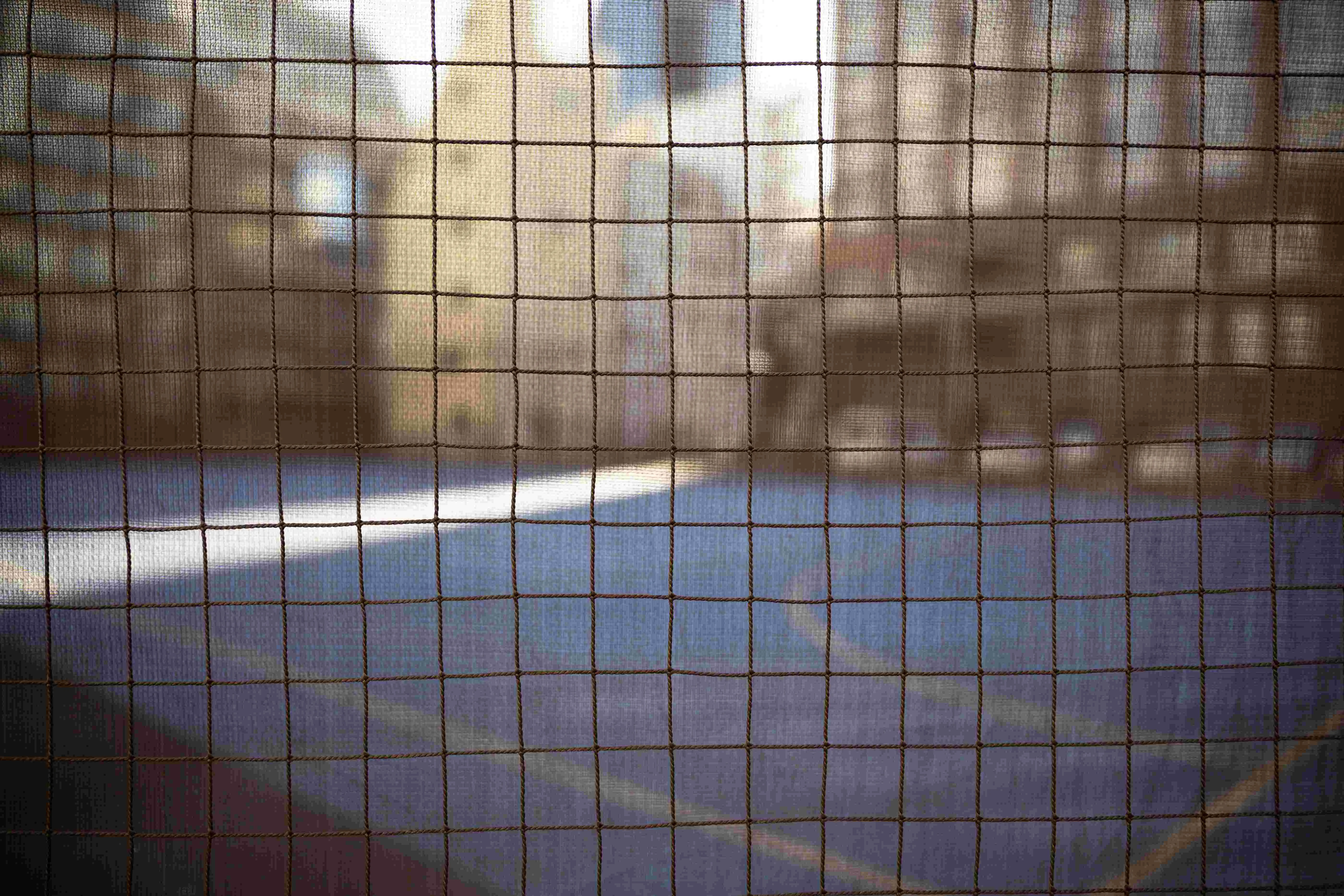

One disappears when you don’t need it. The other is always there, whether you want it or not.
Keeping mosquitoes and insects outside doesn’t mean you have to compromise on fresh air or the view from your windows and doors.
But when choosing a mosquito screen, there’s an important decision to make: should you install a fixed mesh or choose a retractable mosquito screen?
A fixed mesh is simple, affordable and always ready to use. A retractable screen, on the other hand, can disappear when you don’t need it, which makes it particularly useful for large openings such as balcony and sliding doors.
So which one is actually better?
The answer depends on the size of the opening, how often you use it, your preference for an unobstructed view and your budget.
Let’s compare the two in practical terms.
Retractable Mosquito Screens vs Fixed Mesh: Quick Comparison
| Feature | Fixed Mesh | Retractable Mosquito Screen |
|---|---|---|
| Initial cost | Lower | Higher |
| Operation | Permanent | Opens/closes when required |
| View when not needed | Mesh remains visible | Mesh can retract |
| Small windows | Excellent | Usually unnecessary |
| Large sliding doors | Less convenient | Excellent |
| Balcony openings | Can be restrictive | Very suitable |
| Maintenance | Low | Moderate |
| Moving parts | Few/none | Rollers, tracks or springs |
| Flexibility | Limited | High |
| Best for | Basic insect protection | Large or frequently used openings |
The exact cost and performance depend on the mesh material, frame, mechanism, size and installation.
What Is a Fixed Mosquito Mesh?
A fixed mosquito mesh is a screen permanently installed over a window or door opening.
The mesh is held within a frame and remains in place whether you need insect protection or not.
It’s one of the simplest ways to keep mosquitoes and insects outside while allowing air and natural light into the room.
For a small bedroom or kitchen window, fixed mesh can be an extremely practical solution.
There is no complicated mechanism and nothing that needs to be opened or closed.
You install it once and use the window normally behind the screen.
Advantages of Fixed Mesh
Fixed mesh is popular because it is:
- Simple
- Affordable
- Easy to operate
- Low maintenance
- Suitable for small windows
- Available in different mesh materials
- Relatively easy to replace
If your main requirement is simply “I want mosquitoes out”, a fixed screen may be all you need.
What Is a Retractable Mosquito Screen?
A retractable mosquito screen can be moved away when you don’t need it.
Depending on the design, the mesh can:
- Roll vertically
- Slide horizontally
- Fold into a pleated configuration
This makes retractable systems particularly useful for openings that people frequently walk through.
For example, imagine a large balcony sliding door.
You want mosquito protection in the evening, but during the day you may want the opening completely clear.
A fixed mesh would remain in front of the opening.
A retractable screen gives you the option to move it away.
That’s the main difference.
Why Are Retractable Screens Useful for Large Doors?
Large openings create a problem that small windows don’t.
A fixed screen can become visually noticeable across a large area.
It can also make the opening feel less open when you’re trying to enjoy the balcony or outdoor view.
With a retractable mosquito screen, the mesh can be moved aside when it isn’t required.
This makes it particularly suitable for:
- Balcony sliding doors
- Large patio doors
- French doors
- Wide windows
- Terrace openings
- Large uPVC doors
- Aluminium sliding doors
For large openings, paying more for flexibility can make sense.
Types of Retractable Mosquito Screens
Not all retractable mosquito screens work in the same way.
1. Vertical Roller Screens
These screens roll upward or downward.
They are similar in operation to a roller blind and can work well for windows and tall openings.
2. Horizontal Retractable Screens
The mesh slides from one side to the other.
This is particularly useful for sliding doors because the movement follows the natural direction of the door.
3. Pleated Mosquito Screens
Pleated mesh folds like an accordion into a compact section when opened.
This can be useful for wider openings where you want the screen to occupy very little space when retracted.
Each mechanism has its own advantages, so the opening size and usage pattern should be considered before selecting one.

Fixed Mesh vs Retractable Mesh for Windows
For most ordinary windows, fixed mesh is usually the simpler choice.
If you have a bedroom window that stays closed or open in roughly the same way every day, there may be little benefit in paying extra for a retractable mechanism.
A fixed screen provides continuous protection without requiring you to operate anything.
However, a retractable system can make sense when:
- You want a completely clear opening sometimes
- The window has a particularly wide opening
- The screen would interfere with the window operation
- Appearance is a priority
- You want greater flexibility
Fixed Mesh vs Retractable Mesh for Balcony Doors
This is where retractable screens become much more attractive.
A balcony door is often used as a passage.
You may want to:
Open the door → walk onto the balcony → close the screen.
With a fixed mesh, you have to work around a permanent screen.
With a retractable system, the screen can be opened when you need to move through the doorway and closed when you want insect protection.
For large balcony doors, this flexibility can make the additional cost worthwhile.
Which Has Better Airflow?
Both systems use mesh, so the actual airflow depends more on the mesh type and openness than whether the screen is fixed or retractable.
Any mosquito screen will reduce airflow slightly compared with a completely open opening.
However, a good-quality mesh can still allow useful ventilation while keeping insects outside.
If airflow is a major priority, ask about:
- Mesh openness
- Mesh material
- Mesh density
- Frame design
- Opening size
Don’t choose based solely on the frame mechanism.
Does Mosquito Mesh Reduce Natural Light?
Yes, but usually only slightly.
A mesh creates another layer between the outside and the room, so some light is inevitably reduced.
The difference depends on the mesh material, colour, density and opening size.
For large glass doors, the visual effect can be more noticeable simply because the mesh covers a much larger area.
This is another reason retractable screens can be attractive for balconies: you can remove the mesh from the view when insect protection isn’t required.
Fiberglass vs Polyester Mosquito Mesh
The mesh material matters just as much as the mechanism.
Fiberglass Mesh
Fiberglass is commonly used because it is:
- Lightweight
- Affordable
- Flexible
- Resistant to rust
- Suitable for normal residential use
Polyester Mesh
Polyester can offer greater resistance to tearing and UV exposure depending on the specific product.
It can be particularly useful where the screen receives strong sunlight or where additional durability is required.
Pet-Resistant Mesh
If you have a cat or dog, standard mosquito mesh may not survive long.
Pets can scratch, push against or bite ordinary mesh.
A stronger pet-resistant mesh can be a worthwhile upgrade for homes with animals.
A Real Example: When the Mesh Material Matters
Consider a large balcony opening in Undri.
The homeowner had a wide sliding door and wanted a retractable screen rather than a permanent mesh frame.
A standard fiberglass mesh initially seemed perfectly adequate.
But the family had a cat that regularly sat near the balcony watching birds.
The cat eventually scratched through the mesh.
Instead of replacing the entire retractable system, the mesh itself was upgraded to a more durable pet-resistant material.
The existing frame and track could remain in place.
That’s an important point when choosing a mosquito screen:
The mechanism and the mesh are separate decisions.
If the opening has special requirements, you don’t necessarily need to change the entire system.
Single vs Double vs Triple Glazing: Which Is Best for Your Home?
Read this blog
Are Retractable Mosquito Screens More Expensive?
Yes, generally.
A fixed mesh is relatively simple: you have a frame and mesh.
A retractable system requires additional components such as:
- Rollers
- Tracks
- Springs
- Handles
- Housings
- Guides
- Other moving hardware
That additional mechanism increases the cost.
As an indicative range, Haimish’s current article places fixed mesh around ₹80–₹150 per sq. ft., while retractable screens are around ₹250–₹450 per sq. ft., depending on the mechanism and specification. These should be treated as project-specific indicative figures rather than fixed market rates.
The more useful question is:
“Will I actually use the retractable function?”
If the answer is yes, the additional cost can be worthwhile.
Is Retractable Mosquito Mesh Worth the Extra Cost?
For a small window?
Probably not.
For a large balcony sliding door?
Often, yes.
That’s because the value of retractability increases as the opening becomes larger and more frequently used.
If a fixed screen is going to permanently occupy a three-metre-wide balcony opening, you may notice its visual and practical limitations every day.
A retractable screen allows you to have insect protection when you need it and an unobstructed opening when you don’t.
Maintenance: Fixed vs Retractable Screens
Maintenance is another area where the two systems differ.
Fixed Mesh
Maintenance is generally simple.
You mainly need to:
- Clean the mesh
- Remove dust
- Check for tears
- Inspect the frame
- Replace the mesh if damaged
There are very few moving components.
Retractable Mesh
A retractable screen requires some additional attention.
You may need to:
- Clean the tracks
- Remove dust from rollers
- Check alignment
- Inspect the mesh
- Check springs or tension
- Keep the mechanism free of debris
The mesh itself can last for years with normal use, but mechanical components may need adjustment or servicing earlier depending on how frequently the system is operated.
What Can Go Wrong With Retractable Screens?
Like any moving system, retractable screens have components that can wear.
Roller Screens
The spring mechanism can lose tension over time.
Horizontal Screens
Track alignment can become an issue if the frame moves or settles.
Pleated Screens
The pleats need to remain properly aligned and free from excessive dirt.
Mesh
The mesh can tear due to pets, accidental impact or prolonged exposure.
None of these are necessarily reasons to avoid retractable screens.
They simply mean that a retractable system should be selected according to how it will actually be used.
For a rental property, fixed mesh can often be the more straightforward choice.
It’s inexpensive, simple and requires little explanation for the tenant.
However, if the property is a premium apartment with large balcony doors, a retractable screen can add convenience and improve the overall appearance.
The decision comes down to the property type and expected use.
Which Is Better for a Modern Home?
For a modern home with large glass openings, retractable screens often provide a cleaner solution.
Large sliding doors are increasingly common in contemporary homes.
A permanent mesh frame can visually divide that opening.
A retractable screen allows the homeowner to preserve the open appearance when mosquito protection isn’t required.
This works particularly well with modern uPVC and aluminium sliding doors.
How to Choose the Right Mosquito Screen
Before ordering a screen, consider these questions:
What is the opening size?
Small windows and large balcony doors have very different requirements.
How often will the screen be opened?
If it will remain closed most of the time, fixed mesh may be enough.
Do you need a clear view?
If yes, retractable mesh offers more flexibility.
Do you have pets?
Consider pet-resistant mesh.
How much maintenance are you comfortable with?
Fixed mesh has fewer moving components.
What is your budget?
Don’t pay for retractability if you don’t actually need it.
Common Mistakes to Avoid
Choosing Retractable Mesh for Every Window
A simple fixed screen may be perfectly adequate for many windows.
Choosing the Cheapest Mesh
Low-quality mesh can tear or deteriorate faster.
Ignoring the Track
For retractable systems, track quality and alignment are important.
Forgetting About Pets
Standard mesh may not survive repeated contact with cats or dogs.
Not Measuring the Opening Properly
Large openings require careful measurement and system selection.
Looking Only at the Mesh
The frame, rollers, track, handles and installation all affect the final experience.
Frequently Asked Questions
Which is better, fixed or retractable mosquito mesh?
Fixed mesh is usually better for small windows and budget-conscious applications. Retractable screens are often better for large openings where you want the mesh to disappear when it isn’t required.
Are retractable mosquito screens worth the extra cost?
For large balcony doors, sliding doors and frequently used openings, they often are. For small fixed windows, the additional cost may not provide much benefit.
Are retractable mosquito screens durable?
A good-quality system can provide years of service, but the lifespan depends on mesh quality, hardware, usage frequency, installation and maintenance.
Can mosquito mesh be used on sliding doors?
Yes. Horizontal retractable mosquito screens are particularly suitable for sliding doors because the screen moves sideways.
Can I get pet-resistant mosquito mesh?
Yes. Pet-resistant mesh is thicker and more resistant to tearing than standard mosquito mesh.
Does mosquito mesh block airflow?
It can reduce airflow slightly compared with a completely open window, but a properly selected mesh can still provide useful ventilation.
Does retractable mesh block the view?
When extended, any mesh will have some visual presence. The advantage of a retractable screen is that you can move it away when you want an unobstructed view.
How much does mosquito mesh cost in Pune?
The cost depends on the opening size, mesh material, frame, mechanism and installation. Fixed systems are generally more affordable than retractable systems.
Final Verdict: Fixed or Retractable?
The choice between retractable mosquito screens vs fixed mesh becomes much easier when you stop looking at price alone.
If you have a small bedroom or kitchen window and simply want reliable mosquito protection, fixed mesh is practical, affordable and easy to maintain.
If you have a large balcony, patio or sliding door and want the freedom to completely open the space when insects aren’t a problem, a retractable mosquito screen is usually worth considering.
And if you have pets, don’t forget the mesh material. A stronger pet-resistant mesh can save you from replacing the screen repeatedly.
Ultimately, the right mosquito screen should match the size of the opening, how often you use it, your preferred appearance, your budget and the way you live in the space.
For small windows, keep it simple. For large openings, flexibility can be worth paying for.

