

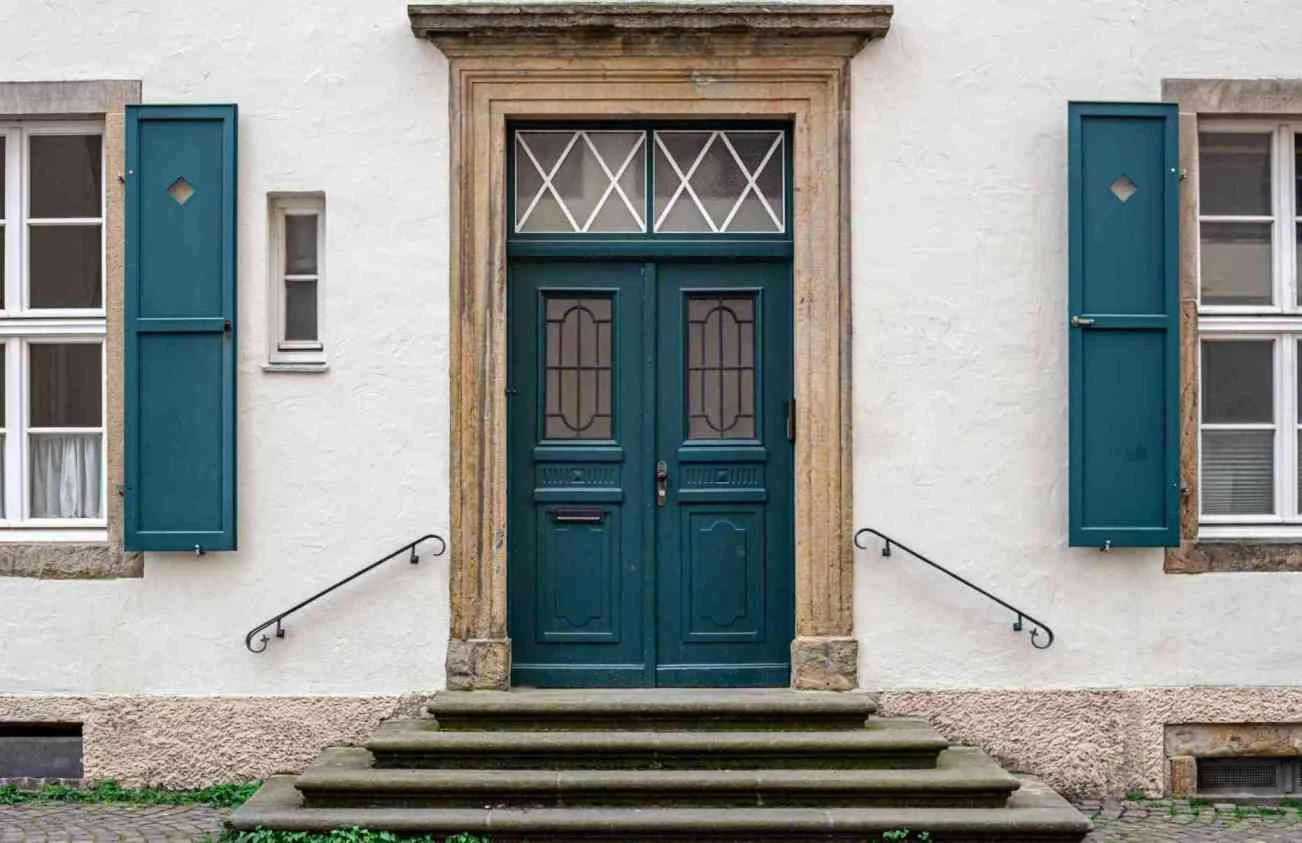

The colour of your windows and doors can change the entire appearance of a home.
You may have chosen the right floor tiles, wall colours and furniture, but if the window and door frames don’t work with them, the overall design can still feel disconnected.
That’s why aluminium door and window colors deserve more attention than they usually get.
Today, homeowners are moving beyond basic white and silver frames. Dark grey, matte black, bronze, champagne and wood-effect finishes are increasingly being considered for contemporary homes.
But choosing a colour isn’t only about following a trend. The right finish should work with the building’s architecture, exterior walls, flooring, glass and even the amount of sunlight the opening receives.
Why Aluminium Door and Window Colors Matter
Windows and doors occupy a significant amount of visual space in a home.
Their frames can either blend quietly into the architecture or become a strong design feature.
For example, black aluminium frames can create a sharp contrast against light walls, while a wood-effect finish can make a modern space feel warmer.
The right colour can help:
- Define the architectural style
- Create contrast with walls
- Coordinate windows and doors
- Complement glass surfaces
- Add character to the facade
- Create a more consistent interior design
This is why frame colour should ideally be decided along with the overall design rather than at the very end of construction.
Popular Aluminium Door and Window Colors for Modern Homes
There isn’t one colour that works for every property.
Here are some of the most versatile options to consider.
Matte Black Aluminium Windows and Doors
Black is one of the easiest colours to use when you want a modern architectural appearance.
It works particularly well with:
- White walls
- Concrete finishes
- Natural stone
- Wooden elements
- Large glass areas
- Minimalist architecture
Black frames can also create a strong outline around large glass panels, making the window or door more visually prominent.
If you like contemporary architecture, matte black is worth considering.
Charcoal Grey Aluminium Frames
If black feels too strong, charcoal grey can provide a softer alternative.
It still gives you the modern appearance of a dark frame but creates less contrast than pure black.
Charcoal grey works particularly well with neutral exteriors such as:
- Beige
- Cream
- Light grey
- White
- Stone finishes
It is also a practical choice when you want a colour that can work across both residential and commercial projects.
White Aluminium Windows and Doors
White remains a classic option.
It can make a room feel brighter and works especially well with light-coloured walls.
White frames are often suitable for:
- Traditional homes
- Contemporary apartments
- Minimal interiors
- Coastal-inspired designs
- Smaller rooms
The main advantage is versatility.
If you don’t want your frames to become a major visual feature, white can allow the architecture and glass to take centre stage.
Energy Saving Glass for Windows in Pune: Types, Benefits and Selection Tips
Read this blog
Grey Aluminium Windows
Grey is a good middle ground between light and dark finishes.
Depending on the shade, grey can feel either warm and subtle or distinctly modern.
A medium or darker grey frame can work well with concrete, stone and neutral wall colours.
For homeowners who aren’t sure whether to choose black or white, grey is often worth putting on the shortlist.
Brown and Bronze Aluminium Finishes
Brown and bronze tones can add warmth to aluminium windows and doors.
These colours can work particularly well with:
- Wooden interiors
- Beige walls
- Natural stone
- Traditional architecture
- Warm-toned flooring
They are useful when you want the strength and maintenance advantages of aluminium without giving the home an overly industrial appearance.
Wood-Effect Aluminium Finishes
If you like the appearance of timber but prefer an aluminium system, wood-effect finishes can provide an interesting alternative.
They can bring warmth to:
- Villas
- Balconies
- Large sliding doors
- Modern homes
- Resort-style properties
The appearance can be particularly effective when combined with natural stone or other earthy materials.
How to Choose Aluminium Door and Window Colors
Choosing a frame colour becomes much easier when you stop looking at the frame in isolation.
Instead, consider the complete room or facade.
Match the Exterior Walls
Think about the colour of your exterior paint, stone, tiles or cladding.
A dark frame against a light facade creates contrast.
A similar-toned frame creates a more understated appearance.
Consider Your Interior Design
The same window can look completely different from inside the house.
If your interiors use warm wood and beige tones, a very cold silver finish may feel out of place.
If your interior uses black hardware and minimalist furniture, dark aluminium frames may create better visual continuity.
Look at the Glass
Glass occupies a large part of many modern windows and doors.
The relationship between the glass and frame affects the overall appearance.
For large sliding doors, for example, a dark frame can create a strong border around the glass.
Consider the Amount of Sunlight
The colour itself isn’t the only consideration.
The orientation of the window, glass specification and exposure to sunlight should also be considered when selecting the complete window system.
Think About the Architecture
A colour that works beautifully on a modern villa may not suit a traditional bungalow.
Choose a finish that supports the architectural character rather than simply following what’s currently popular.

Aluminium Door and Window Colors for Pune Homes
Pune homes can have very different architectural styles, from compact apartments to large independent villas.
The local climate also means that the choice of window and door system should consider summer heat, monsoon rain and everyday dust.
For a modern Pune home, popular combinations can include:
White walls + matte black frames
A clean, high-contrast contemporary combination.
Beige walls + charcoal grey frames
Softer and more understated.
Stone facade + wood-effect aluminium
A warmer architectural look.
Grey walls + dark grey frames
A coordinated modern appearance.
White interior + white frames
Bright and minimal.
The best combination ultimately depends on the specific property.
Should Your Aluminium Windows and Doors Match?
They don’t have to, but matching them can create a more cohesive appearance.
For example, using the same finish for:
- Windows
- Sliding doors
- Balcony doors
- French doors
- Folding doors
can make the facade feel more intentional.
However, you can also use different finishes strategically.
For instance, dark exterior frames can be paired with lighter interior elements depending on the system and design requirements.
Do Aluminium Colors Affect Performance?
The colour is mainly an aesthetic decision, but the complete aluminium system matters for performance.
When choosing your windows and doors, don’t evaluate the colour separately from:
- Profile design
- Glass specification
- Hardware
- Seals
- Drainage
- Installation
- Finish quality
A beautiful colour won’t compensate for an unsuitable window or door system.
This is particularly important for large openings and external doors.
Powder-Coated vs Wood-Effect Aluminium Finishes
Aluminium frames can be finished in different ways depending on the system and finish selected.
Powder-Coated Finishes
Powder coating provides a consistent finish and is available in many colours.
It can be suitable when you want a clean, uniform appearance across the project.
Wood-Effect Finishes
Wood-effect finishes are designed to replicate the appearance of timber while being used on an aluminium frame.
They can be useful for homeowners who want a warmer appearance without choosing traditional timber frames.
Aluminium Sliding Doors: Stylish Benefits for Modern Homes
Read this blog
Best Aluminium Colors for Different Home Styles
Modern Minimalist Homes
Consider:
- Matte black
- Charcoal
- Dark grey
- White
Luxury Villas
Consider:
- Black
- Bronze
- Dark grey
- Wood-effect finishes
Traditional Homes
Consider:
- White
- Brown
- Bronze
- Wood-effect finishes
Contemporary Apartments
Consider:
- Grey
- Black
- White
- Champagne or metallic finishes
Again, these are starting points rather than fixed rules.
Aluminium Window and Door Color Mistakes to Avoid
Choosing a Colour Only Because It Is Trending
A popular colour may look great today but may not suit the architecture of your home.
Looking at a Small Colour Sample
A finish can look different depending on the amount of light around it.
If possible, view a larger sample before making a final decision.
Forgetting About the Interior
Don’t choose the exterior finish without considering how the frame will look from inside.
Mixing Too Many Frame Colours
Using too many different finishes can make the facade feel visually inconsistent.
Choosing Colour Before Choosing the System
First decide what type of window or door you need.
Then select the profile, glass and hardware.
Finally, choose the finish that works with the complete design.
How to Maintain Coloured Aluminium Windows and Doors
One reason homeowners choose aluminium is that it generally requires relatively little routine maintenance.
For coloured frames, regular cleaning can help keep the finish looking fresh.
Use a soft cloth or sponge with mild cleaning materials and avoid harsh chemicals or abrasive products that could damage the surface.
For sliding doors and windows, also keep the tracks clean and check the rollers periodically.
Frequently Asked Questions About Aluminium Door and Window Colors
What are the most popular aluminium door and window colors?
Black, charcoal grey, grey, white, bronze, brown and wood-effect finishes are versatile choices for modern residential projects.
Are black aluminium windows a good choice?
Yes. Black frames can create a strong contemporary appearance and work particularly well with light walls, stone, concrete and large glass areas.
Which aluminium colour is best for a modern home?
There isn’t one universal answer. Matte black, charcoal, grey and white are all versatile options, depending on the home’s architecture.
Can aluminium windows have a wood finish?
Yes. Wood-effect aluminium finishes can provide a timber-inspired appearance while retaining the characteristics of an aluminium frame.
Should aluminium windows and doors be the same colour?
They don’t have to be, but using the same or complementary finishes can create a more coordinated appearance across the property.
Do aluminium colours fade?
The durability of the finish depends on the coating, product quality and exposure conditions. It is important to select a suitable finish for the project’s environment.
Can I customise the colour of aluminium windows and doors?
Colour availability depends on the aluminium system and finish options offered by the manufacturer.

