

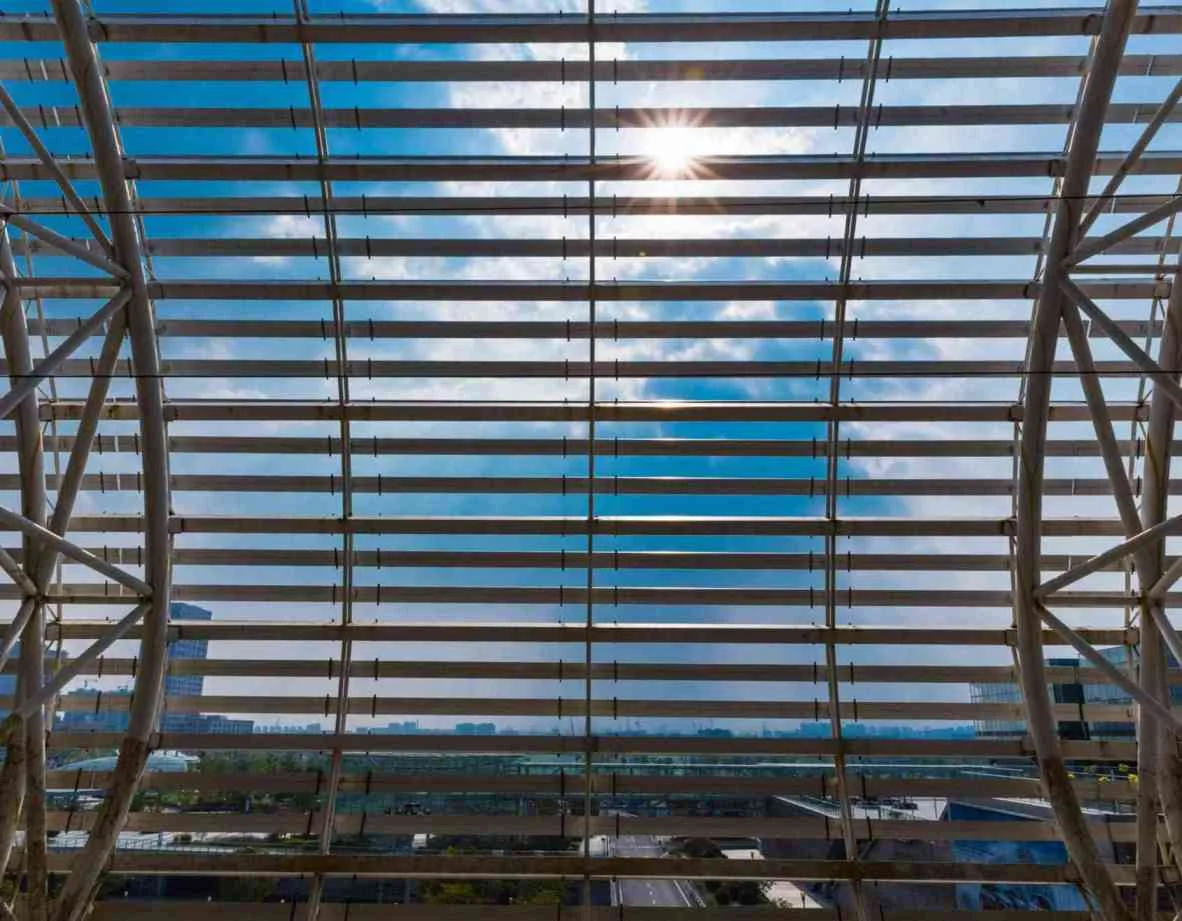

Natural light can change the way a room feels.
A space that once felt dark or enclosed can feel brighter and more open simply by introducing daylight from above. This is one of the main reasons skylight windows are becoming an interesting architectural feature in modern homes, offices and commercial spaces.
Unlike conventional windows installed on walls, skylights are positioned on roofs or overhead structures to bring natural light into areas that may not have enough access to exterior walls.
They can be used in staircases, living rooms, bathrooms, corridors, atriums, offices and other spaces where additional daylight can make a noticeable difference.
But installing a skylight isn’t simply about cutting an opening in the roof and adding glass. The position, size, glazing, frame, waterproofing, drainage and installation all need to be considered.
What Are Skylight Windows?
Skylight windows are glazed openings installed in a roof or overhead structure to allow natural light into a building.
Depending on the design, a skylight can be:
- Fixed
- Openable
- Ventilating
- Flat
- Sloped
- Dome-shaped
- Custom-designed
The right option depends on the building, roof structure and purpose of the space.
For example, a fixed skylight may be enough when the primary goal is daylight, while an openable skylight can be useful when ventilation is also required.
Why Are Skylight Windows Popular?
One of the biggest advantages of skylights is that they introduce daylight from a different direction than conventional windows.
This can be particularly useful in rooms where wall space is limited.
Skylights can help:
- Bring natural daylight indoors
- Make spaces feel more open
- Improve the visual connection with the sky
- Reduce dependence on artificial lighting during daylight hours
- Add architectural character
- Improve the appearance of internal spaces
However, more daylight isn’t always better. The skylight needs to be designed to control heat and glare as well.
Benefits of Double Glazed Windows for Homes in Pune
Read this blog
Benefits of Skylight Windows
Bring More Natural Light Into Your Home
A well-positioned skylight can brighten areas that may otherwise require artificial lighting throughout the day.
This can work particularly well in:
- Staircases
- Corridors
- Bathrooms
- Kitchens
- Living rooms
- Double-height spaces
Make Small Spaces Feel Larger
Natural light can make enclosed areas feel more spacious.
A skylight above a staircase or hallway, for example, can prevent the area from feeling dark and enclosed.
Add Architectural Character
A skylight doesn’t have to be hidden.
A carefully designed roof opening can become an architectural feature that adds personality to the building.
Support Natural Ventilation
Openable skylights can allow warm air to escape from higher parts of a building.
This can be useful in spaces where hot air naturally accumulates.
Create a Stronger Connection With the Outdoors
Even when a room doesn’t have a traditional outdoor view, a skylight can create a visual connection with the changing sky and daylight.
Types of Skylight Windows
There isn’t one universal skylight design.
Fixed Skylight Windows
Fixed skylights are designed primarily to bring daylight into a room.
Because they don’t have moving parts, they can be a straightforward option for spaces where ventilation isn’t required.
They can work well above:
- Staircases
- Living rooms
- Atriums
- Corridors
- Double-height spaces
Ventilating Skylight Windows
Ventilating skylights can be opened to allow fresh air to enter and warm air to escape.
They can be operated manually or through suitable automated systems, depending on the design.
Flat Skylights
Flat skylights have a relatively simple, clean appearance and can work well with contemporary architectural designs.
Dome Skylights
Dome-shaped skylights use a curved glazing form that can provide a distinctive appearance and distribute daylight across a wider area.
Custom Skylight Windows
Custom skylights are designed around the dimensions and requirements of a particular project.
They can be useful when the roof opening has unusual dimensions or when the architect wants the skylight to become part of the overall building design.
Your related Custom vs Standard Skylight Windows article should be linked here.

Skylight Windows for Homes
Skylights aren’t limited to large luxury houses.
They can be useful in many different residential spaces.
Skylights Above Staircases
Staircases often have limited access to natural light.
A skylight positioned above the stairwell can bring daylight down through multiple levels.
Skylights in Living Rooms
In a double-height or large living room, a skylight can become both a lighting feature and an architectural element.
Skylights in Bathrooms
A skylight can provide natural daylight while maintaining privacy, particularly when an appropriate glazing specification is selected.
Skylights in Kitchens
Kitchens benefit from natural daylight, especially when wall space is occupied by cabinets or appliances.
Skylight Windows for Commercial Buildings
Commercial skylights can be useful in buildings where daylighting is an important part of the design.
Applications can include:
- Offices
- Retail spaces
- Restaurants
- Atriums
- Showrooms
- Hotels
- Industrial buildings
- Warehouses
In larger buildings, skylight design should be considered alongside the building’s lighting, ventilation and energy strategy.
The current Haimish article already discusses commercial skylights and applications such as fixed, ventilating, dome and pyramid configurations.
How to Choose Glass for Skylight Windows
Glass selection is one of the most important decisions when planning a skylight.
A roof-level glazed opening has different requirements from a conventional vertical window.
Toughened Glass
Toughened glass can provide increased strength and safety compared with standard annealed glass.
Laminated Glass
Laminated glass contains an interlayer that helps hold the glass together if it breaks, making it a useful safety option for overhead applications.
Double Glazing
Where the selected system supports it, double glazing can improve thermal and acoustic performance.
Solar-Control Glass
For skylights receiving strong direct sunlight, solar-control glazing can help manage heat and glare.
Don’t choose the glass purely based on price. The orientation, size, location and purpose of the skylight should all be considered.
Are Skylight Windows Suitable for Pune?
Yes, but they need to be designed with Pune’s climate in mind.
Pune receives strong summer sunlight as well as heavy monsoon rainfall. Both factors matter when designing a skylight.
During summer, excessive solar gain can make a room uncomfortable.
During the monsoon, waterproofing and drainage become critical.
A well-designed skylight should therefore consider:
- Glass performance
- Solar exposure
- Roof slope
- Flashing
- Drainage
- Waterproofing
- Frame sealing
- Installation quality
Your How uPVC Windows Perform in Pune’s Monsoon article can also be used as a contextual internal link for your broader content about weather sealing and drainage.
Do Skylight Windows Make a Room Hot?
They can if the skylight is poorly designed or the glazing isn’t suitable for the amount of sunlight it receives.
The size and orientation of the skylight matter.
So does the glass.
For areas receiving strong direct sunlight, consider glazing designed to control solar heat and glare.
External shading or architectural shading can also be considered where appropriate.
The goal isn’t simply to maximise the amount of sunlight entering the room.
It is to bring in useful natural light without creating excessive heat or glare.
Skylight Windows and Energy Efficiency
Skylights can contribute to better daylight utilisation, but their actual energy impact depends on the complete design.
During the day, natural light can reduce the need for artificial lighting in suitable spaces.
However, an oversized or poorly specified skylight can also increase cooling requirements if it allows excessive solar heat into the building.
That is why the glass specification, skylight size and orientation should be considered together.
For larger commercial buildings, daylighting should ideally be modelled as part of the overall building design.
Fixed vs Openable Skylight Windows
One of the first decisions is whether you need ventilation.
Fixed Skylights
Choose a fixed skylight when your main objective is to bring natural light into the space.
They can be simpler because there are no opening mechanisms or moving hardware.
Openable Skylights
Choose an openable system when ventilation is also important.
Opening the skylight can allow warm air to escape from higher areas of a room.
However, additional hardware means more components to maintain, so the operating system should be selected carefully.
Custom vs Standard Skylight Windows
Standard skylights can be useful when the available dimensions suit your opening.
Custom skylights are more appropriate when the building requires specific dimensions, shapes or design features.
Consider a custom solution when:
- The opening is unusually large
- The roof has a unique shape
- You want a specific architectural appearance
- A particular glass specification is required
- The skylight needs to integrate with another facade element
Link this section to your existing Custom vs Standard Skylight Windows: Which Is Better? article to strengthen internal topical relevance.
How Much Do Skylight Windows Cost?
There isn’t a single price for skylight windows.
The final cost depends on the complete specification.
Important factors include:
- Skylight size
- Shape
- Aluminium profile
- Glass type
- Glass thickness
- Fixed or openable configuration
- Hardware
- Finish
- Waterproofing
- Roof preparation
- Installation complexity
A small fixed skylight can have a very different cost from a large custom skylight over a double-height living room.
When comparing quotations, make sure you’re comparing the same specifications.
Skylight Installation Is Extremely Important
A skylight is part of the building envelope, so installation quality matters.
The installation should properly address:
- Frame alignment
- Waterproofing
- Flashing
- Drainage
- Sealants
- Roof structure
- Glass installation
A good skylight with poor installation can still lead to water leakage or operational problems.
For this reason, skylight installation should ideally be planned together with the roof and surrounding construction.
Common Skylight Windows Mistakes to Avoid
Making the Skylight Too Large
A bigger skylight isn’t automatically better.
Too much direct sunlight can cause glare and heat gain.
Ignoring Roof Structure
The roof needs to be capable of accommodating the skylight without compromising structural integrity.
Choosing Glass Without Considering Sunlight
The glass should be selected based on the skylight’s orientation and exposure.
Neglecting Waterproofing
Waterproofing should be part of the initial design rather than something addressed after installation.
Forgetting Maintenance
The skylight should remain accessible enough for cleaning and periodic inspection.
Choosing Based Only on Appearance
A skylight can look beautiful while still being unsuitable for the roof or climate.
How to Maintain Skylight Windows
Maintenance is relatively straightforward when the system has been installed correctly.
Regularly inspect:
- Glass
- Frames
- Seals
- Flashing
- Drainage
- Hardware
- Opening mechanisms
Keep leaves and debris away from drainage areas.
If you notice water marks, condensation or difficulty operating an openable skylight, investigate the issue early rather than allowing it to develop into a larger problem.
Frequently Asked Questions About Skylight Windows
What are skylight windows?
Skylight windows are glazed openings installed in roofs or overhead structures to bring natural daylight into a building.
Are skylight windows good for homes?
Yes. They can be particularly useful in staircases, bathrooms, kitchens, corridors, living rooms and other areas where wall windows provide limited natural light.
Are skylight windows suitable for Pune?
Yes, provided the skylight is designed for local weather conditions. Solar control, waterproofing, drainage and appropriate glass are especially important.
Do skylights cause heat?
They can increase heat gain if they are oversized or use unsuitable glazing. Proper glass selection and shading can help manage heat and glare.
Can skylight windows be opened?
Yes. Openable skylights can provide both natural daylight and ventilation.
Which glass is best for skylights?
The right glass depends on the application. Toughened, laminated, double-glazed and solar-control glazing can all be considered depending on safety and performance requirements.
Are custom skylights better than standard skylights?
Not always. Standard skylights can be ideal for straightforward applications, while custom skylights provide more flexibility for unusual openings or architectural designs.
Do skylight windows leak?
A properly designed and installed skylight should manage water effectively. Waterproofing, flashing, drainage and installation quality are critical.

